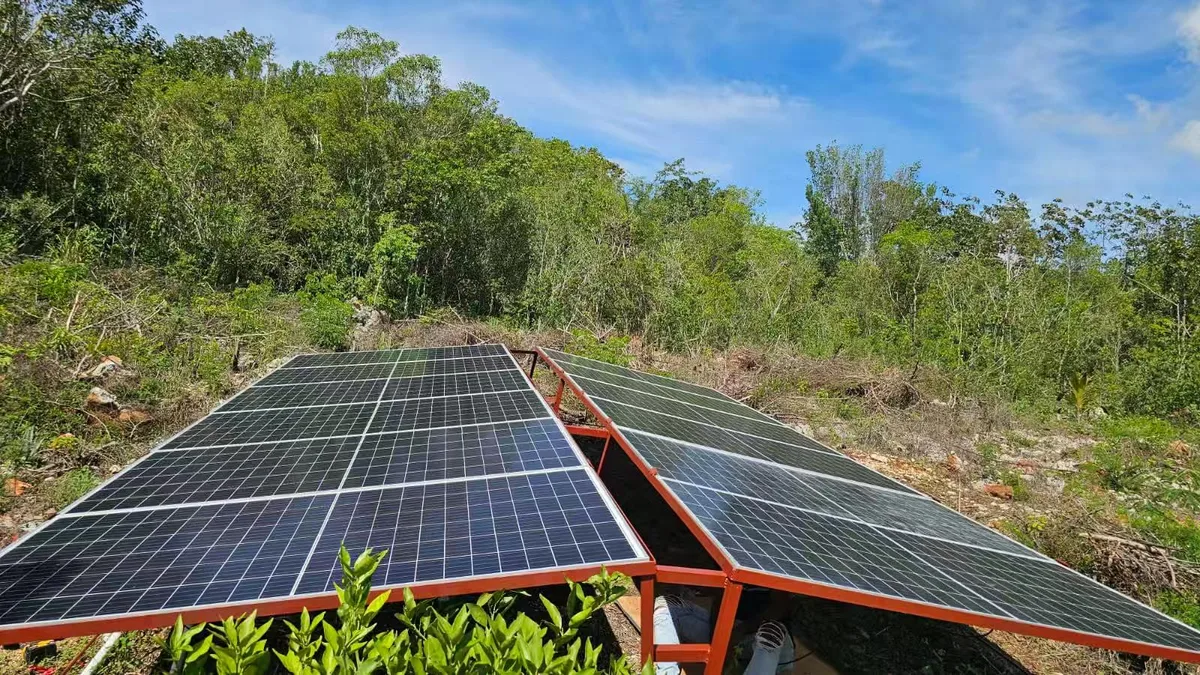
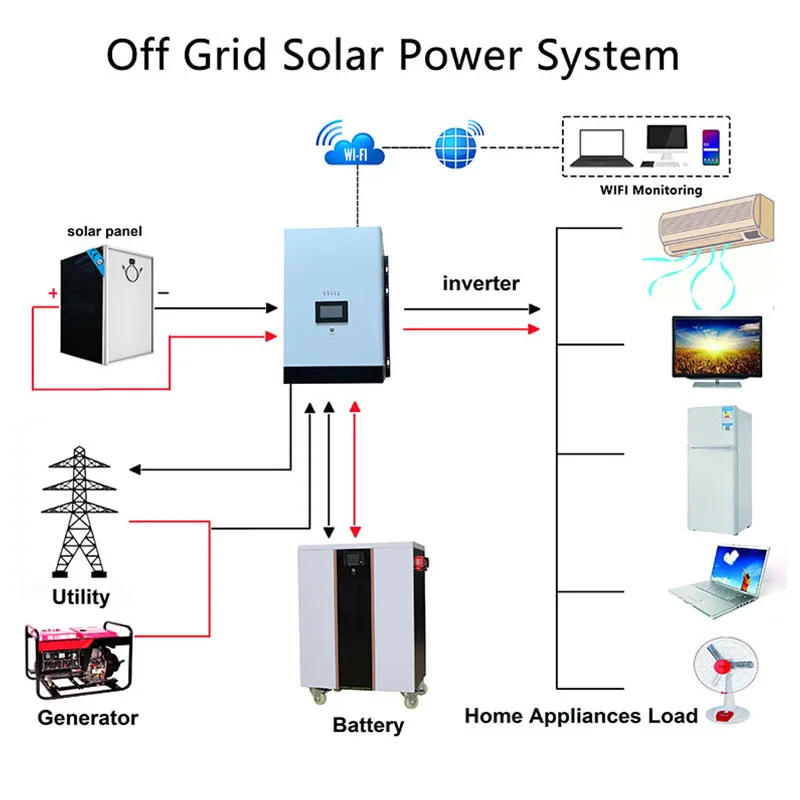
10kw 48v solar power system
Complete 10KW 48V Hybrid Solar Power System For Residential Use
$3,000.00
blog
Compare solar system quotations by load demand, panel and inverter matching, battery energy, protection, documents, packing, and delivery scope.
Use this checklist before confirming a solar system quotation or sending your requirements to a supplier.
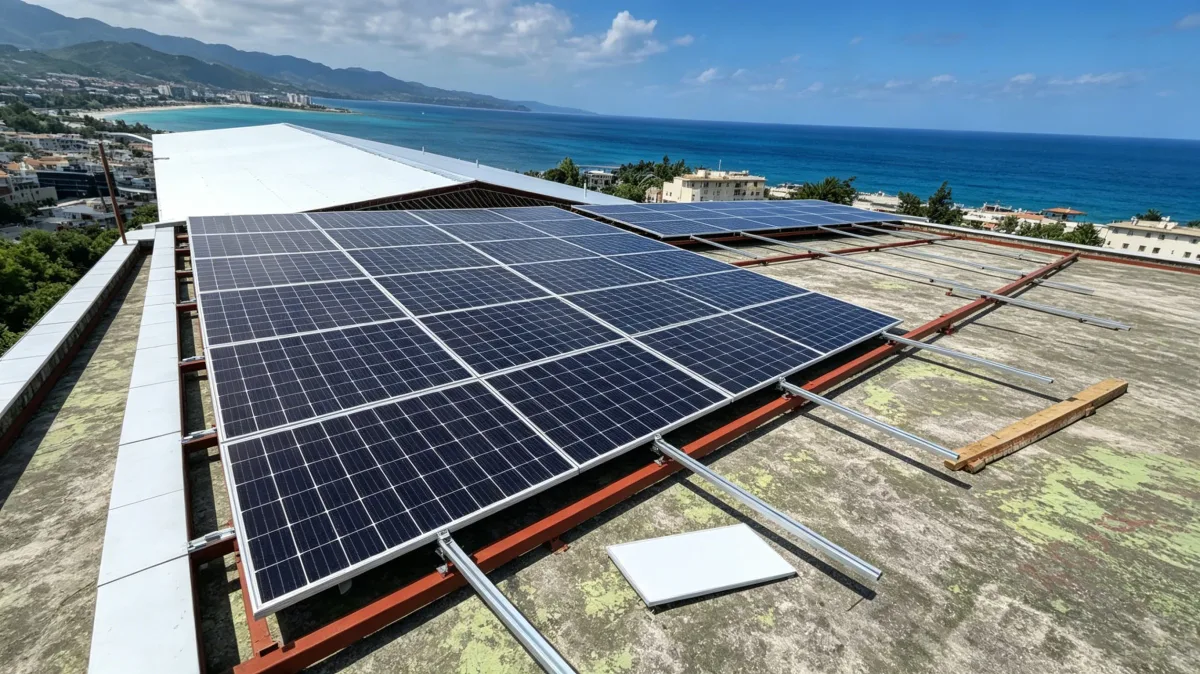
Complete 10KW 48V Hybrid Solar Power System For Residential Use
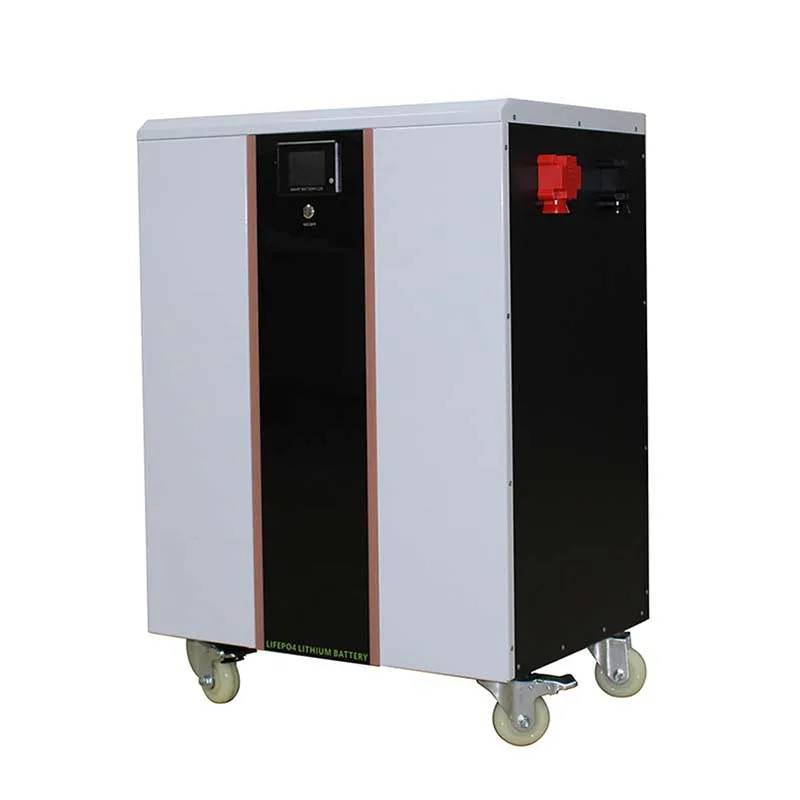
48V 250Ah LiFePO4 Battery for Solar Energy System
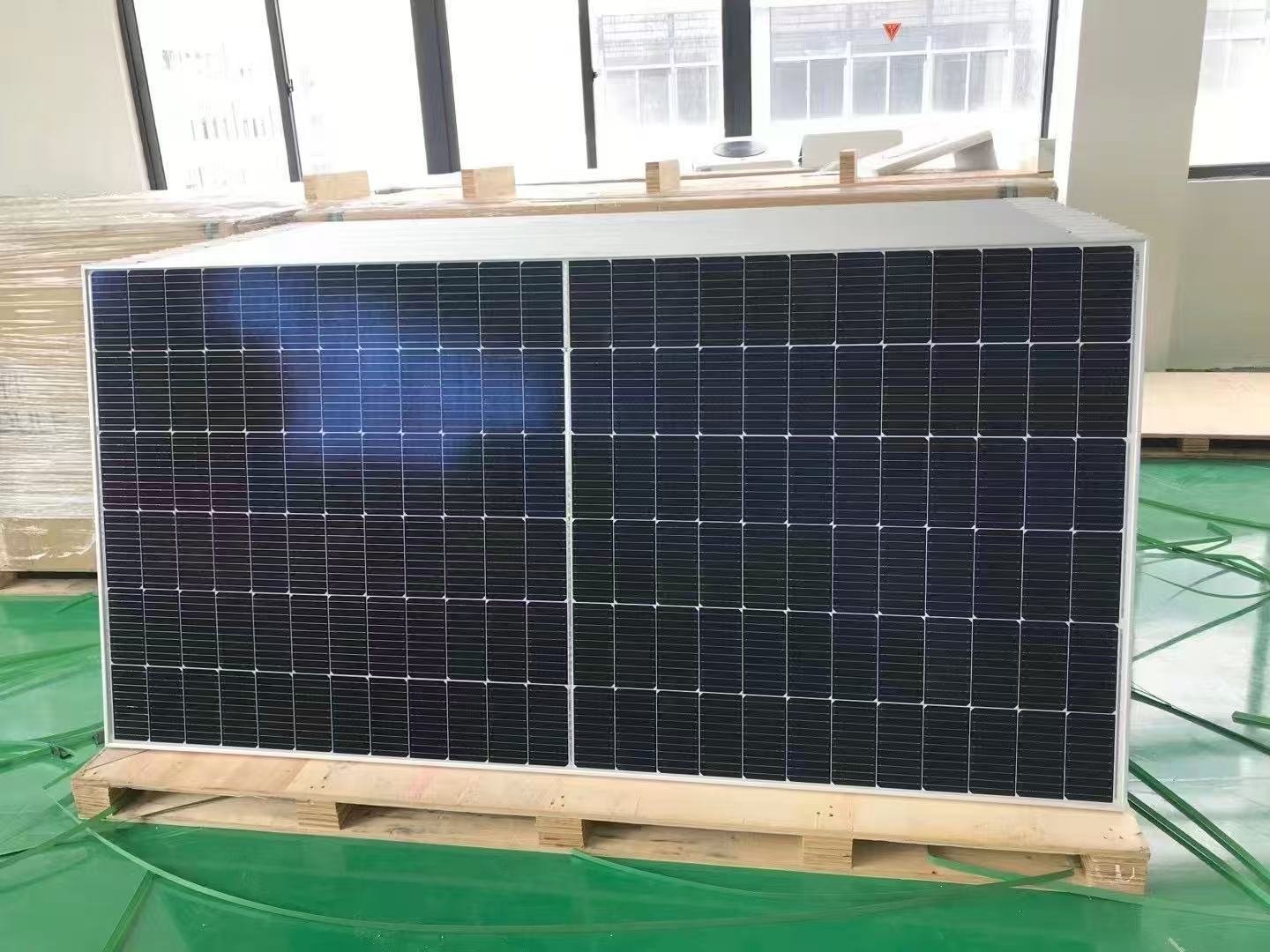
600W bifacial dual-glass solar panel for off-grid solar system packages.
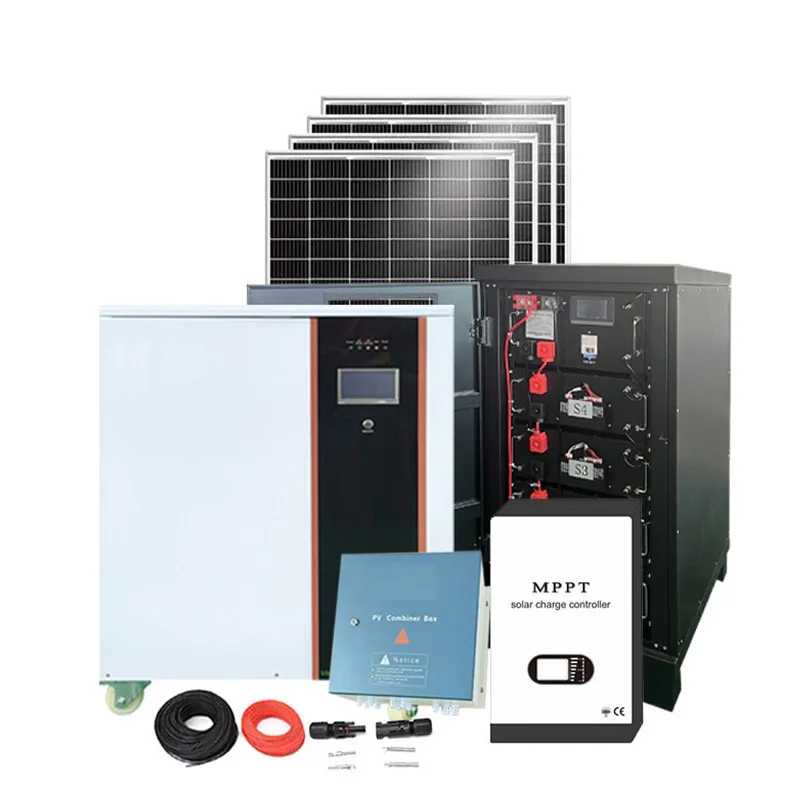
110V 220V split-phase solar power system
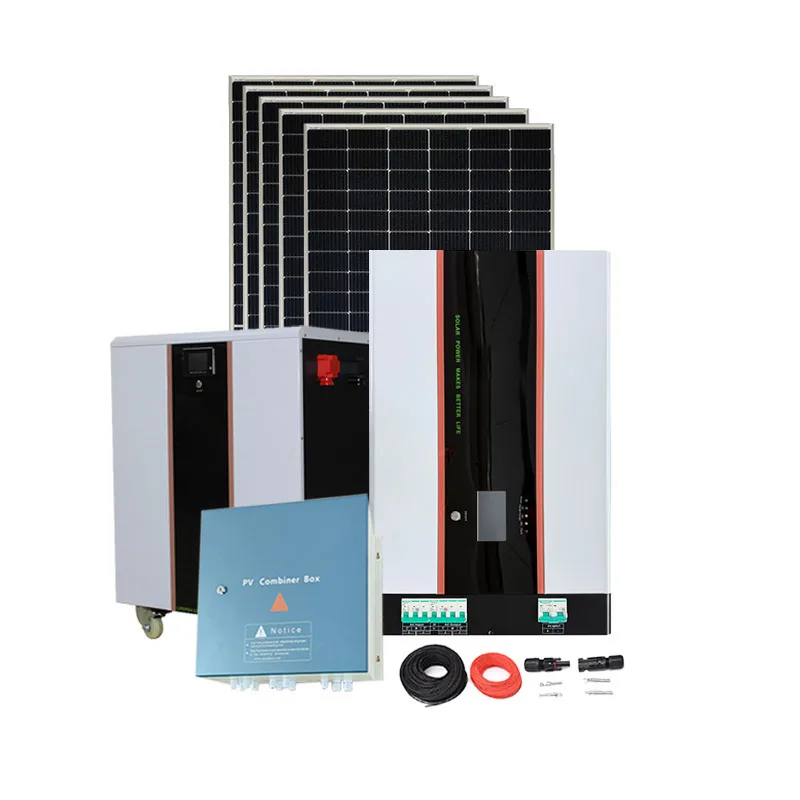
10kW off-grid solar system for homes, villas, offices, shops, and backup power.
A solar system quotation should start with the job the system must perform. Confirm the daily energy use, peak load, backup time, operating hours, installation country, and whether the system is off-grid, hybrid, or grid-tied. If you request a 10kW system without load details, the supplier may quote a package that looks correct on paper but cannot support the real appliances, pumps, tools, or commercial loads on site.
A complete solar system is more than panels and an inverter. Compare the BOM by product family: solar panels, inverter, batteries, mounting structure, PV combiner box, protection devices, cables, connectors, monitoring, and spare accessories. This makes missing items easier to find and prevents two quotations from being compared as equal when one includes protection and packing details and the other does not.
Electrical matching is the core of system comparison. Panel wattage and quantity must match the inverter PV input voltage, MPPT range, input current, and string design. The inverter output must match the local load voltage and phase requirement. The battery bank must match the inverter battery voltage, charge current, discharge current, and communication requirements. A quotation is weaker if these relationships are not visible.
Nameplate capacity is not the same as usable energy. Panel production depends on peak sun hours, heat, shading, orientation, soiling, and wiring losses. Battery backup depends on usable capacity, depth of discharge, inverter efficiency, load profile, and reserve settings. Ask the supplier to state the assumptions behind the package instead of only listing the product quantity.
For B2B projects, balance-of-system details often decide whether installation is smooth. Check PV combiner configuration, DC and AC protection, breaker ratings, grounding, cable size, connector type, mounting method, enclosure rating, ventilation, and operating temperature range. If the project is in a coastal, island, desert, or high-humidity market, ask whether the materials and packing are suitable for that environment.
Documentation should be part of the quotation review. Request datasheets, manuals, wiring diagrams, certificates, warranty terms, packing list, HS code or export notes when needed, and container loading or delivery information for larger orders. Good documents reduce quotation delays, customs questions, installer mistakes, and after-sales disputes.
When each quotation answers these points, distributors and EPC teams can compare system value, installation risk, and delivery readiness instead of only comparing a headline system size.
On This Page
Fast Facts
Core Focus
FAQ
Provide project location, daily energy use, peak load, backup time, voltage and phase requirement, product scope, quantity target, and destination port.
They may use different panel counts, inverter architecture, battery capacity, protection devices, mounting scope, cable sizes, documents, warranty terms, and delivery assumptions.
Use both. Ah helps identify the battery model, but kWh and usable capacity are better for estimating backup time and comparing energy storage value.
Related Content
Inverters, batteries, panels, controllers, and accessories are reviewed as one solar system for better compatibility.
We can provide production updates, photos, videos, and the agreed documents while your order is being prepared.
Installation guidance, system diagrams, warranty confirmation, and replacement-part communication are part of the support process.
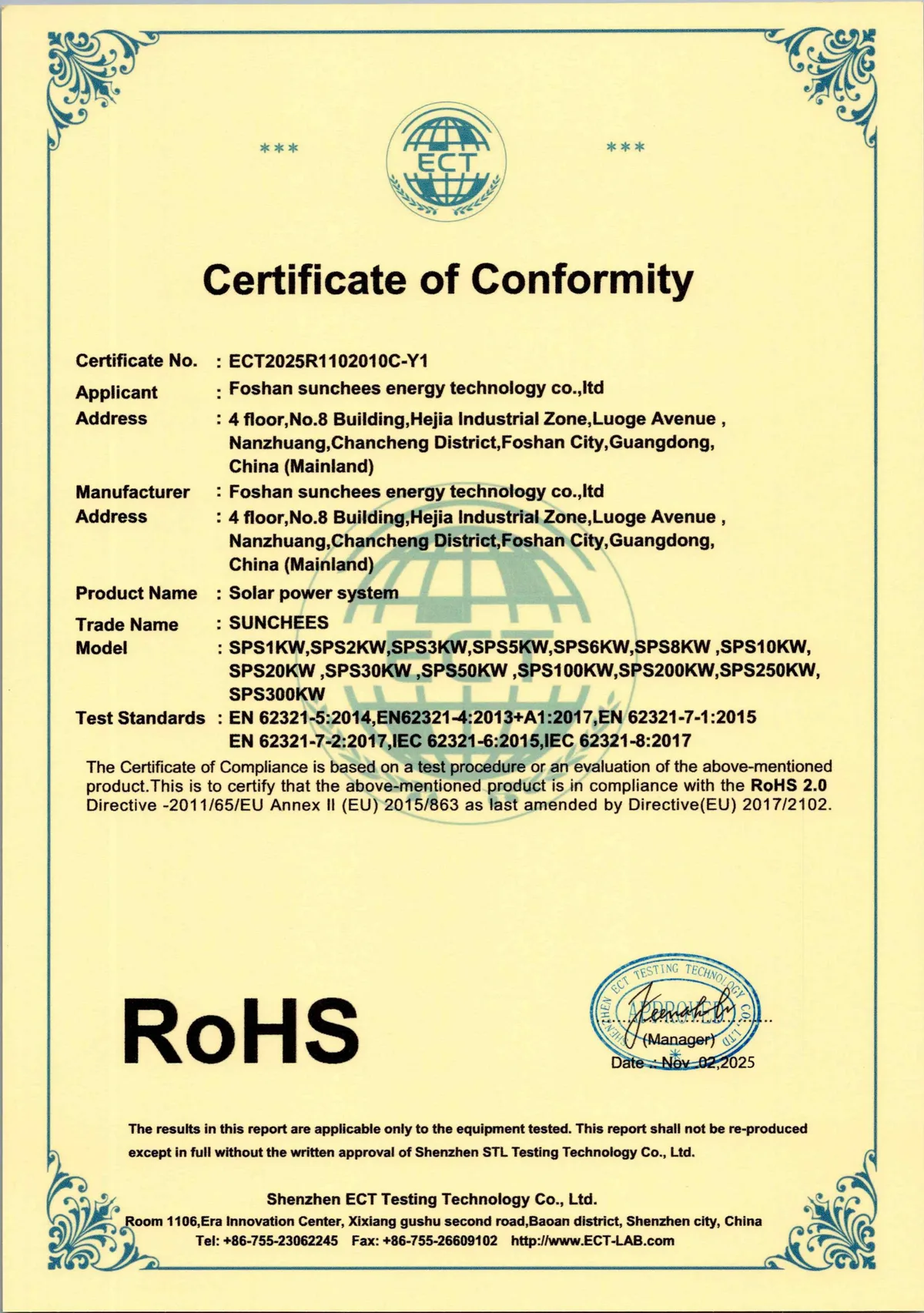
RoHS documentation reference for solar power system components and order review.
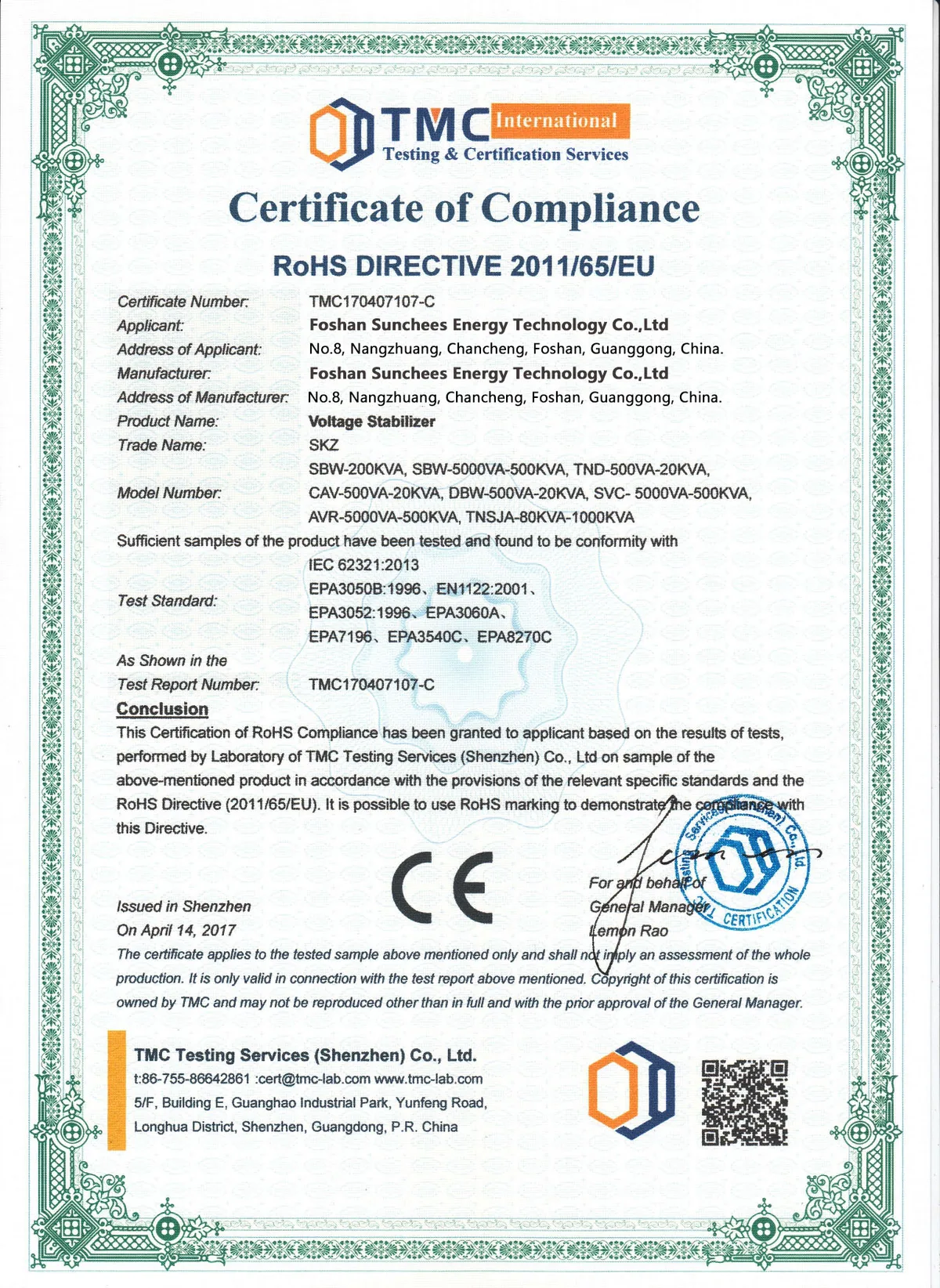
CE certification reference for solar power system export and project documentation.
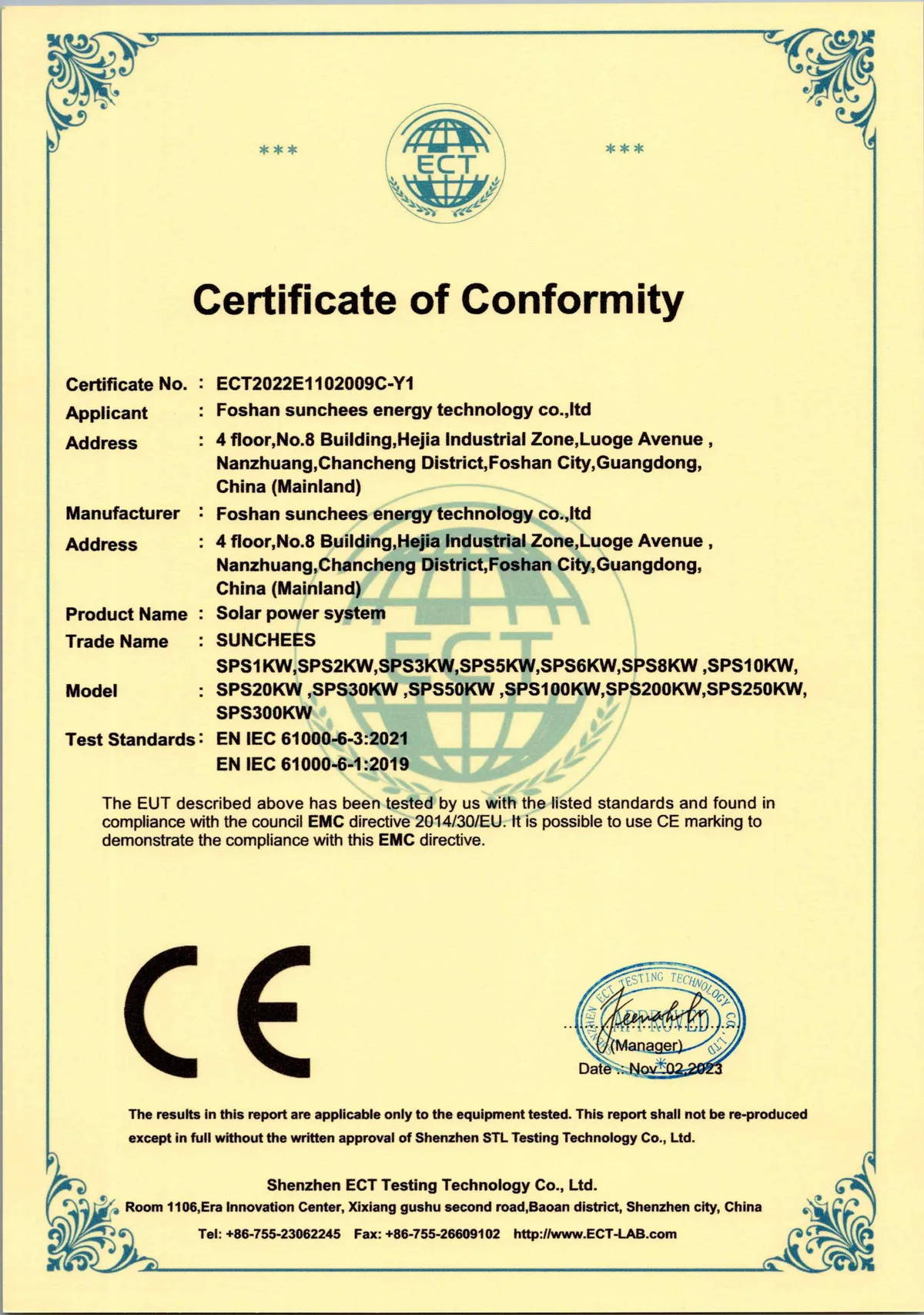
Certification material supporting inverter, battery, and solar system model and document review.
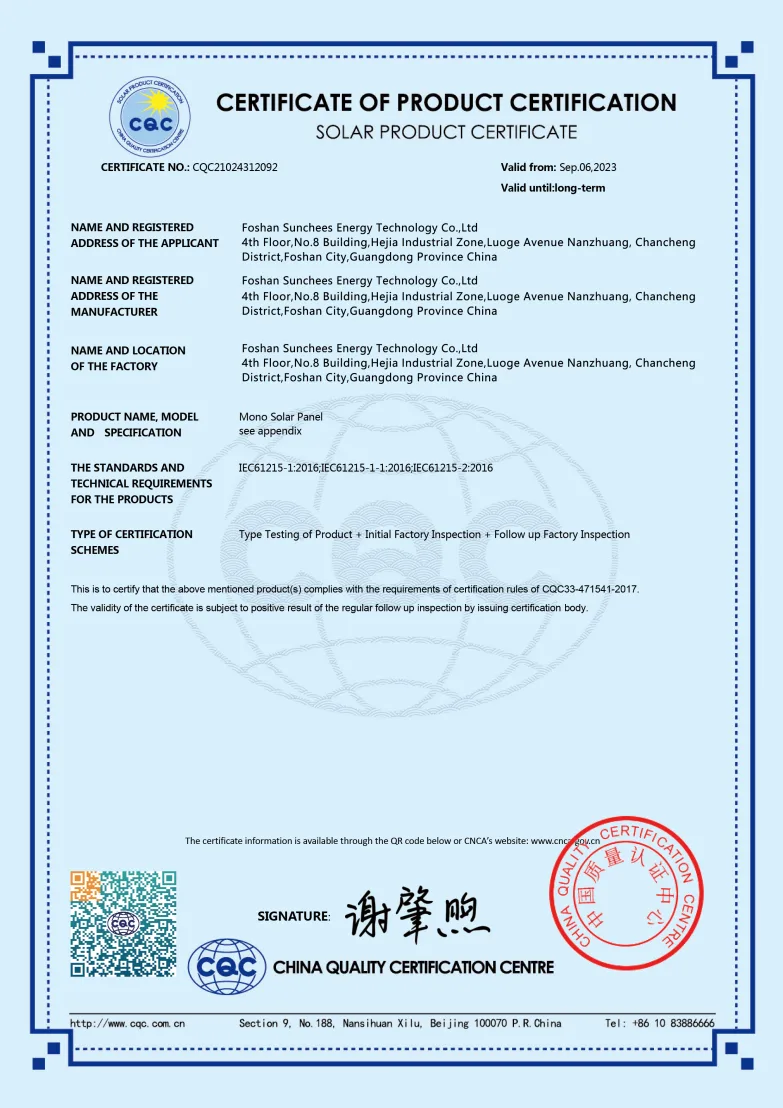
Additional solar system compliance reference for distributor and EPC documentation packs.
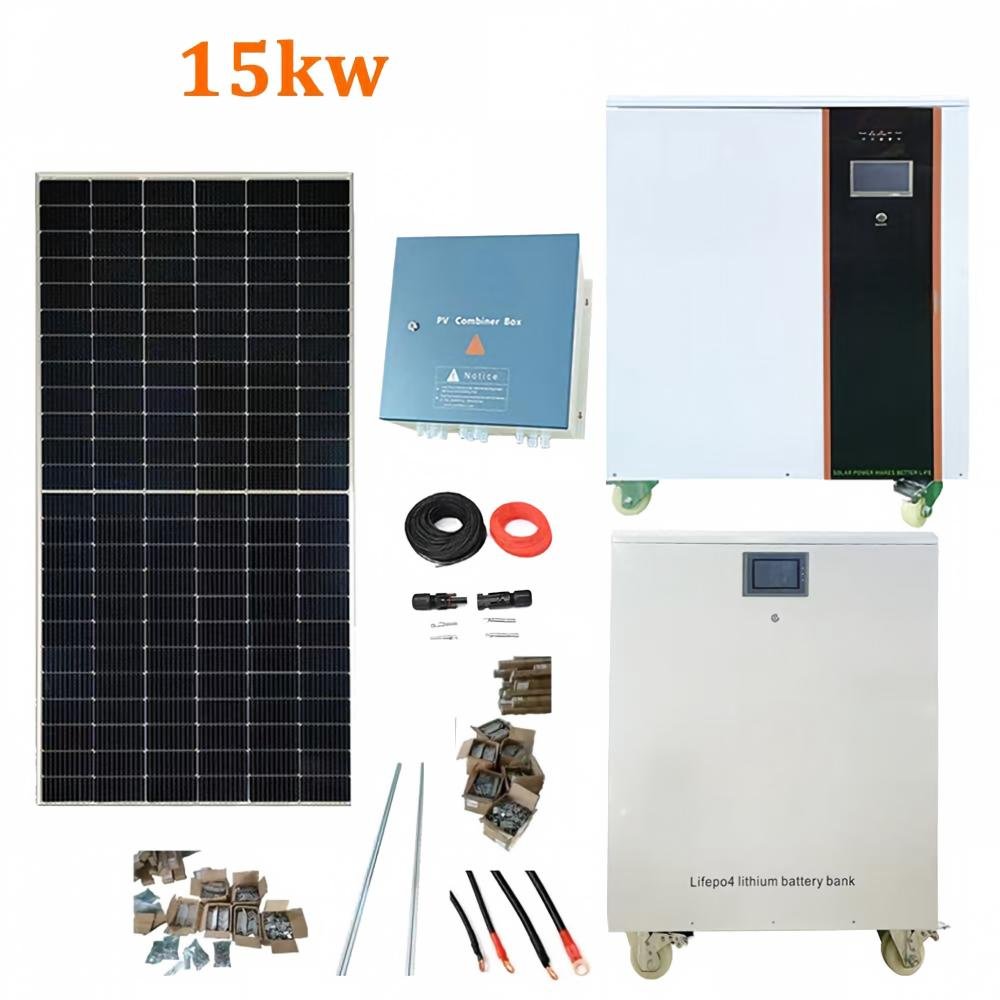
See how a Nigeria solar project grew from two 50kW university clinic systems to a 1MW order and an additional 700kW supply phase.
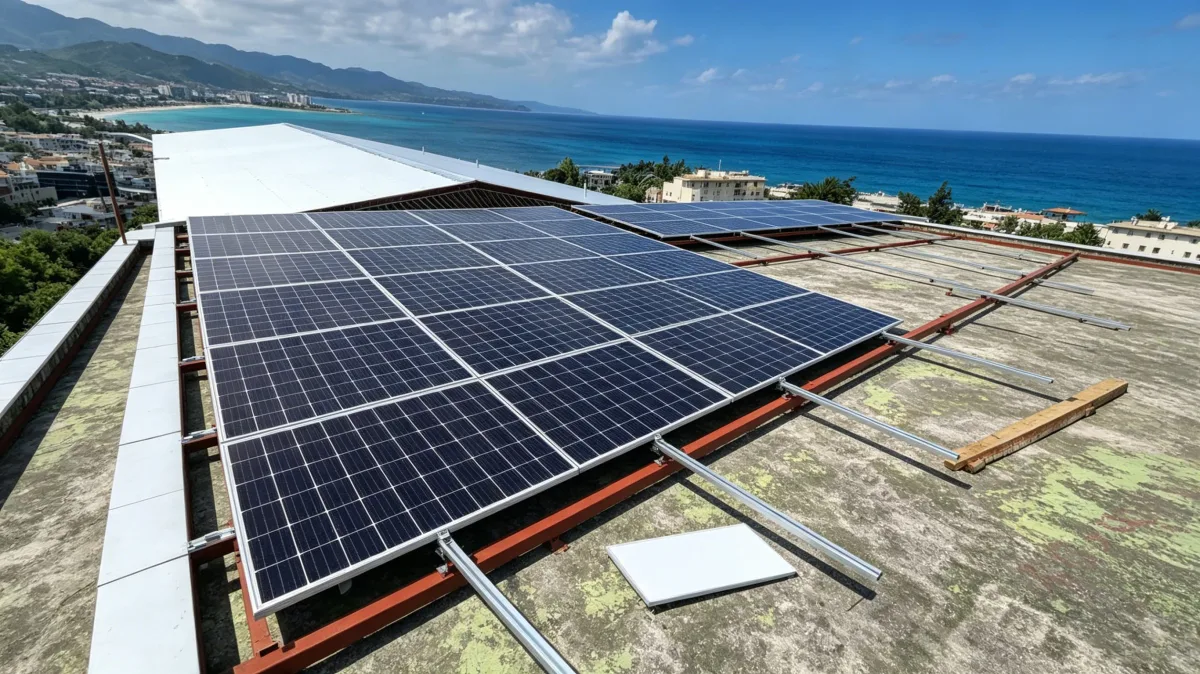
A 50kW split-phase solar and battery system prepared for a hotel in Jamaica facing high generator costs and frequent outages.
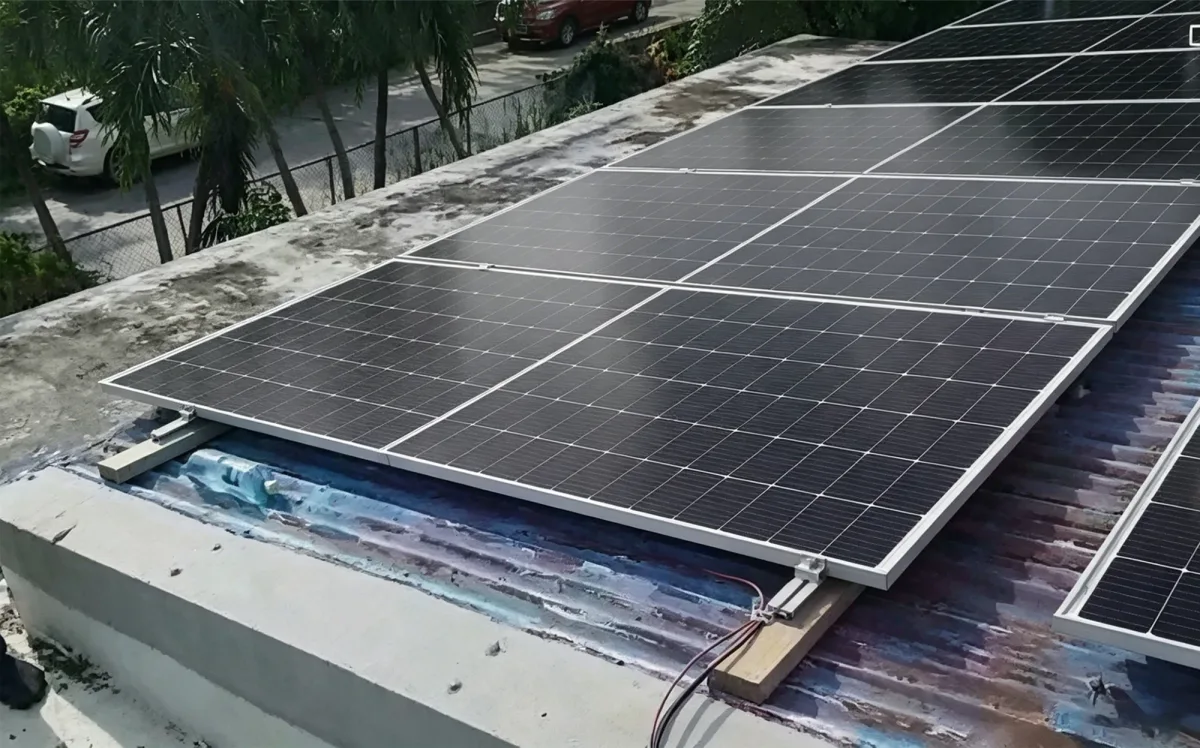
A 12kW split-phase solar and battery configuration prepared as a residential backup reference for Sint Maarten.
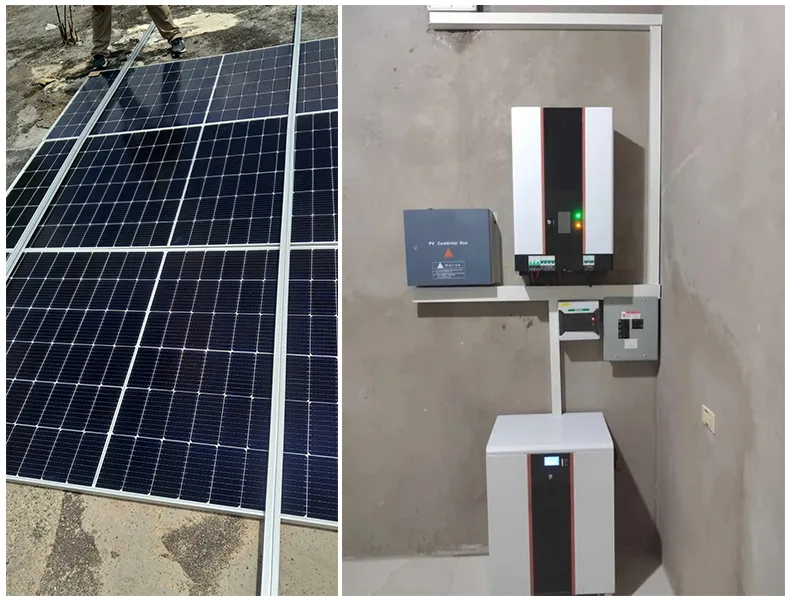
A 10kW 48V split-phase solar and battery system supplied for a home in Jamaica with frequent outages and high grid electricity costs.