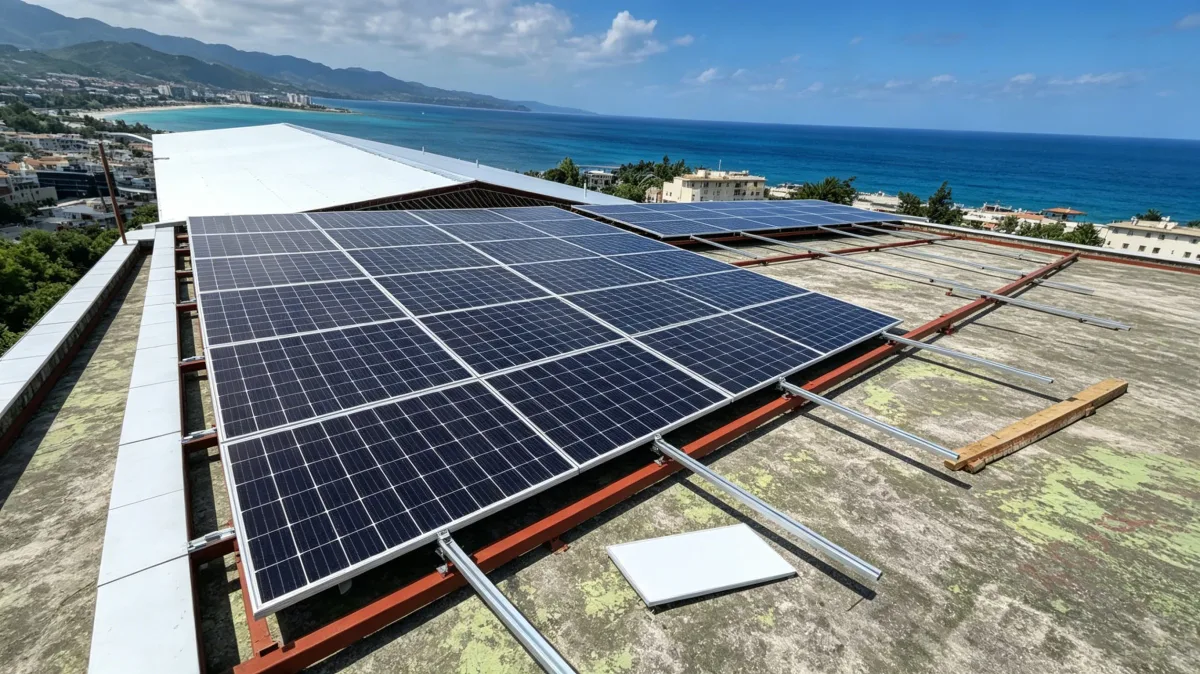
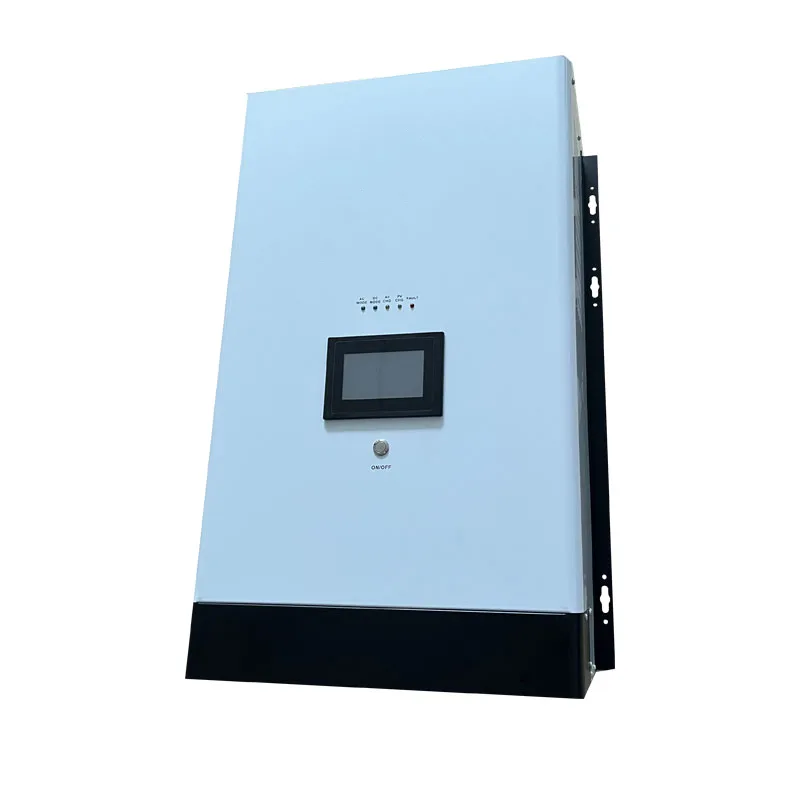
Single Phase solar inverter
Single Phase Off Grid Pure Sine Wave Solar Inverter
Quote on request
blog
A practical checklist for EPC teams comparing inverter power, PV input, battery voltage, monitoring, warranty, delivery, and supplier support.
Confirm electrical fit, installation conditions, monitoring, documents, warranty, and delivery before comparing price.
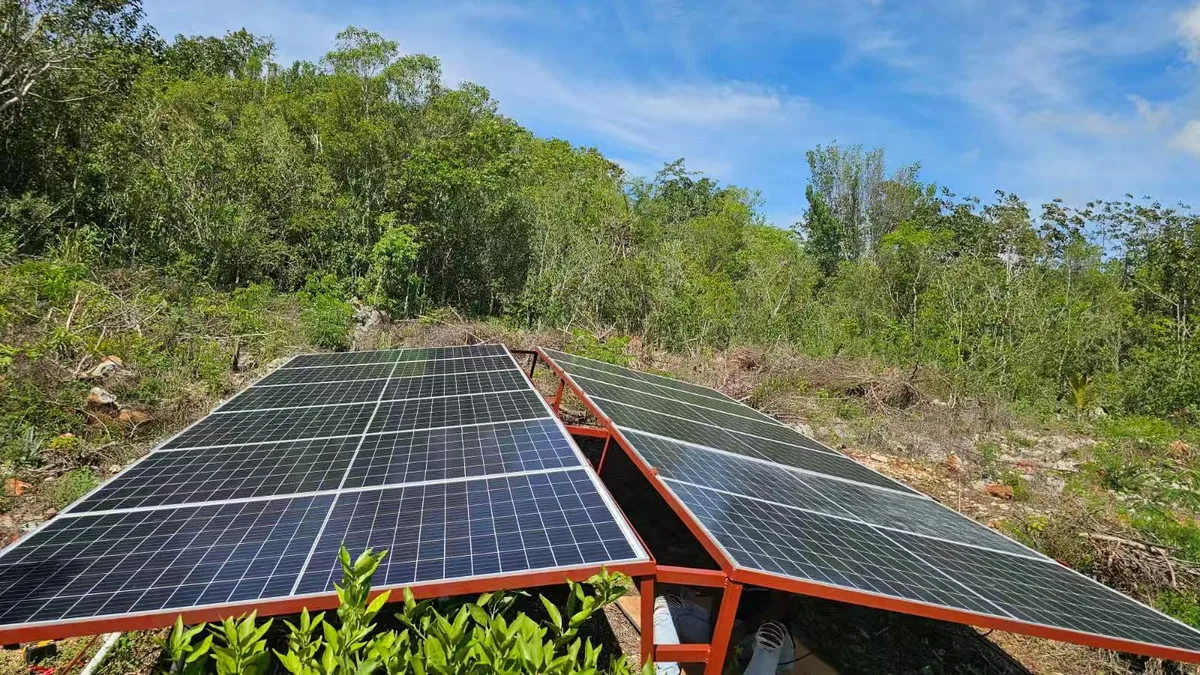
Single Phase Off Grid Pure Sine Wave Solar Inverter
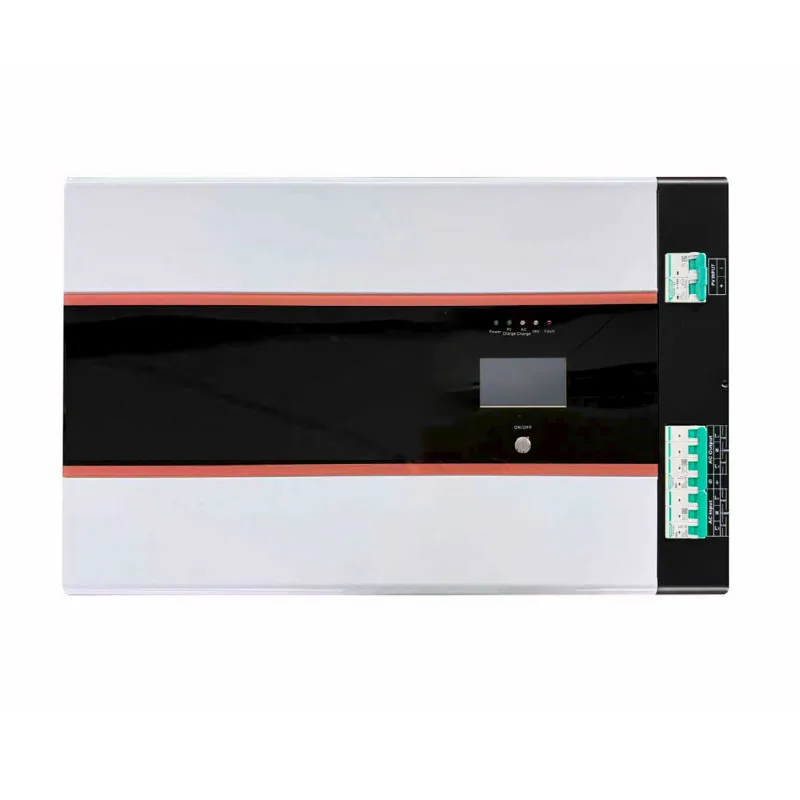
10kW split-phase solar inverter for 48V battery systems and residential backup power.
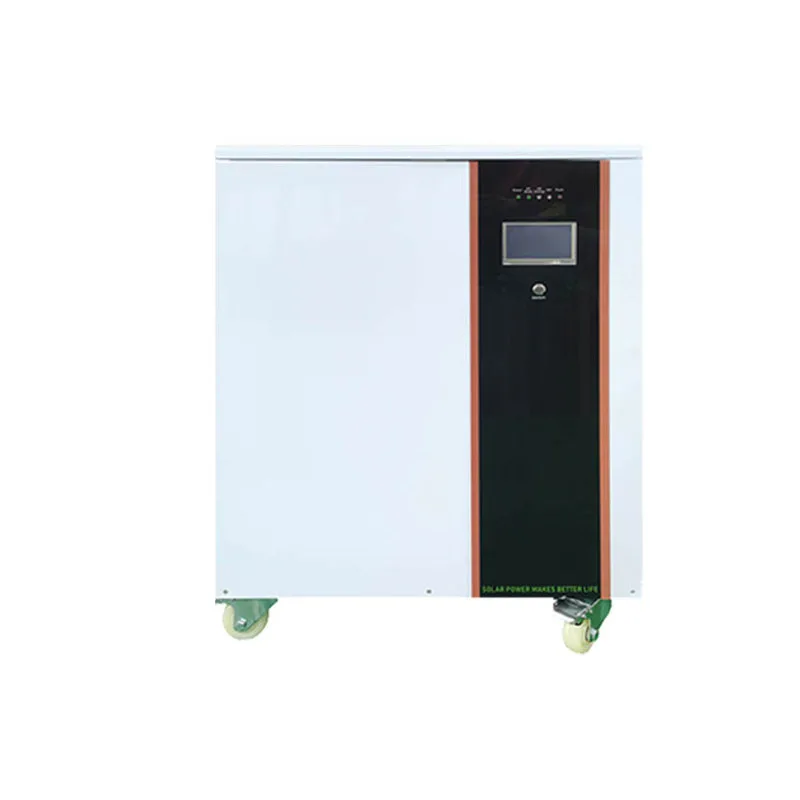
110V 220V Solar Inverter
Two inverter quotations can look similar at first glance and still belong to different projects. Before comparing price, define whether the job is grid-tied, hybrid backup, or off-grid; confirm the required output phase, grid voltage, battery voltage class, installation environment, and expected operating mode. A 10kW inverter for a 48V residential backup system should not be compared with a high-voltage commercial inverter only because the power rating looks close.
The first technical screen is the AC side. EPC teams should check continuous output power, output voltage, frequency, phase type, overload capability, and surge behavior. Pumps, compressors, refrigerators, and workshop equipment may need much higher starting current than the normal running load. If the quotation only lists rated power, ask for surge rating, overload duration, transfer time, and whether the inverter output is pure sine wave.
PV input limits decide whether the inverter can work with the proposed panel string design. Compare maximum PV input voltage, MPPT voltage range, startup voltage, maximum input current, short-circuit current, number of MPPT channels, and strings per MPPT. The important risk is not only daily performance. Cold weather can raise module open-circuit voltage, while hot weather can lower string voltage and prevent stable MPPT operation if the design is too close to the edge.
For hybrid and off-grid systems, the battery relationship must be checked early. Confirm rated battery voltage, charge current, discharge current, supported lithium communication protocols, and whether CAN, RS485, or dry-contact control is required. If the project uses a named battery brand, request compatibility evidence or commissioning notes. If it uses a generic LiFePO4 battery bank, ask how charging limits, low-voltage protection, and BMS alarms will be handled.
Inverter performance changes with temperature, dust, humidity, altitude, and ventilation. EPC teams should compare enclosure rating, cooling method, operating temperature range, thermal derating curve, cable access, clearance requirements, and wall or floor mounting method. For projects that need remote support, also compare WiFi, Ethernet, RS485, Modbus, data logger options, local display, and whether the monitoring platform can be used by both the owner and the installer.
The lowest inverter price is not always the lowest project cost. Ask for warranty duration, warranty exclusions, spare part policy, replacement process, lead time, packing method, certificate package, user manual, wiring diagram, and commissioning checklist. A professional inverter offer should make technical deviations visible before the purchase order, not after installation.
When these items are requested in the same RFQ format, EPC teams can compare inverter offers by risk and fit, not only by price per kilowatt.
On This Page
Fast Facts
Core Focus
FAQ
No. Rated power must be checked together with surge capacity, output voltage, battery voltage, PV input limits, thermal derating, and warranty terms.
The MPPT range determines whether the panel string can operate efficiently across hot, cold, and low-light conditions without exceeding inverter limits.
Ask for datasheets, wiring references, certificates, warranty terms, monitoring options, battery compatibility notes, packing details, and delivery lead time.
Related Content

Inverters, batteries, panels, controllers, and accessories are reviewed as one solar system for better compatibility.
We can provide production updates, photos, videos, and the agreed documents while your order is being prepared.
Installation guidance, system diagrams, warranty confirmation, and replacement-part communication are part of the support process.
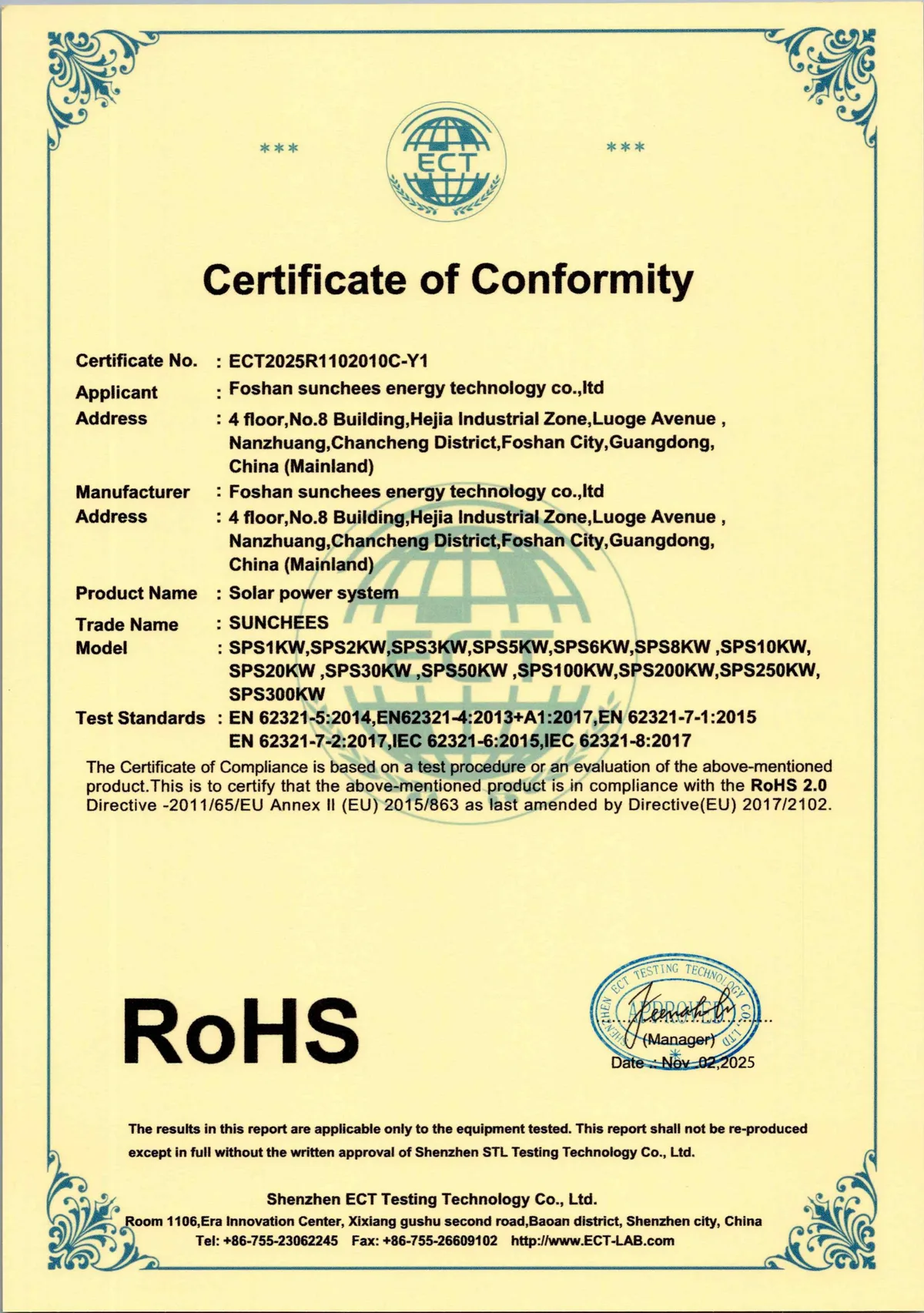
RoHS documentation reference for solar power system components and order review.
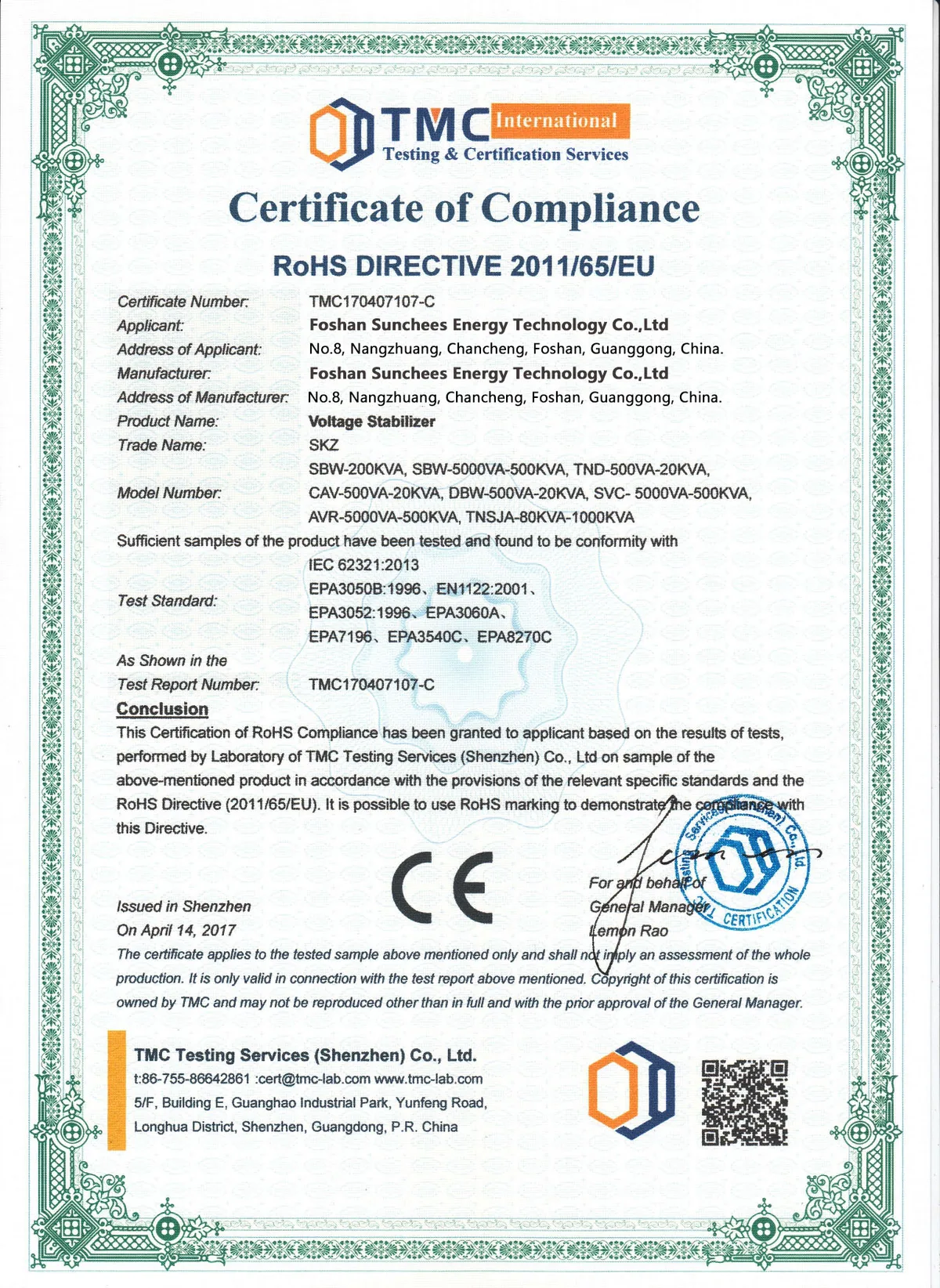
CE certification reference for solar power system export and project documentation.
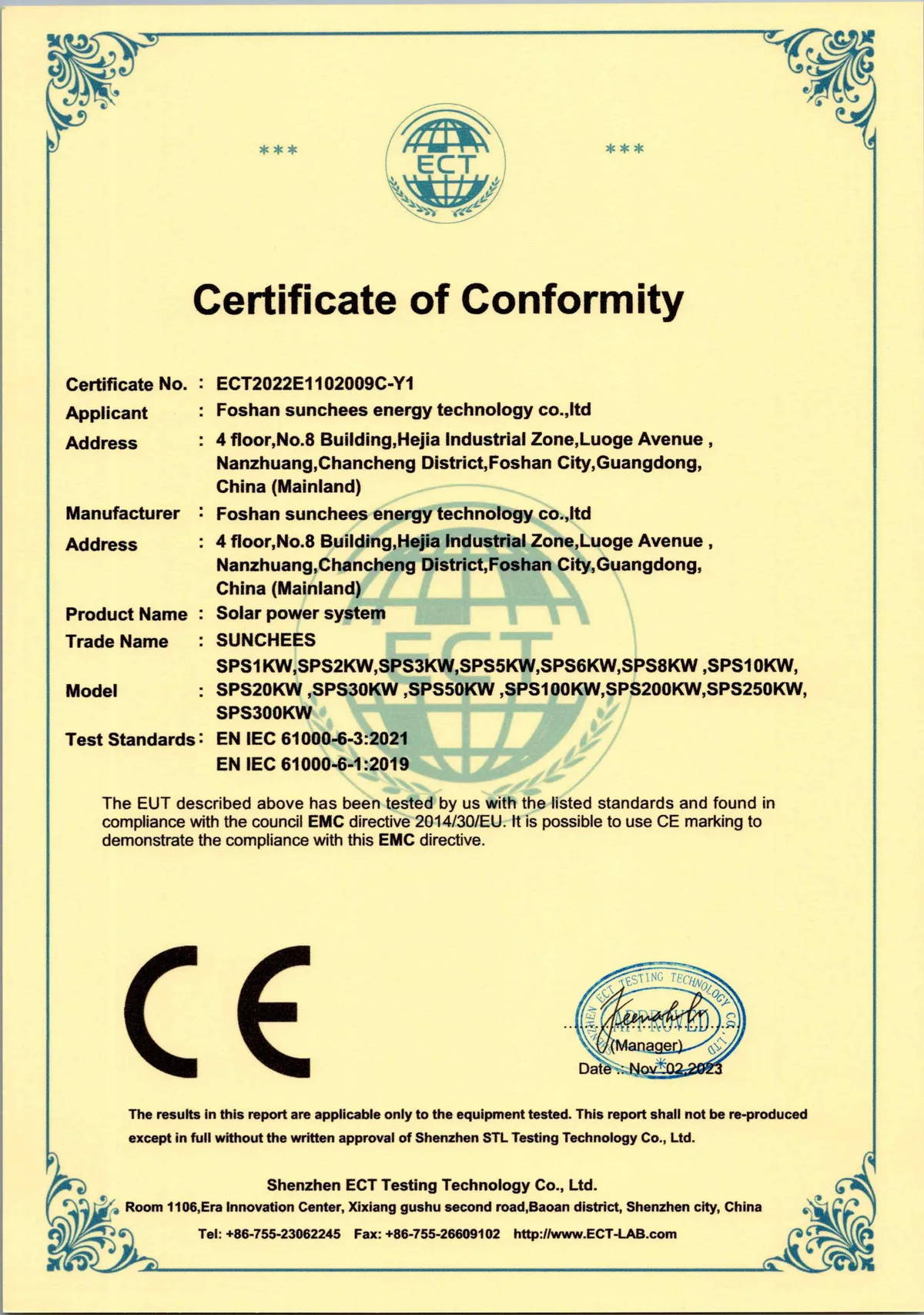
Certification material supporting inverter, battery, and solar system model and document review.
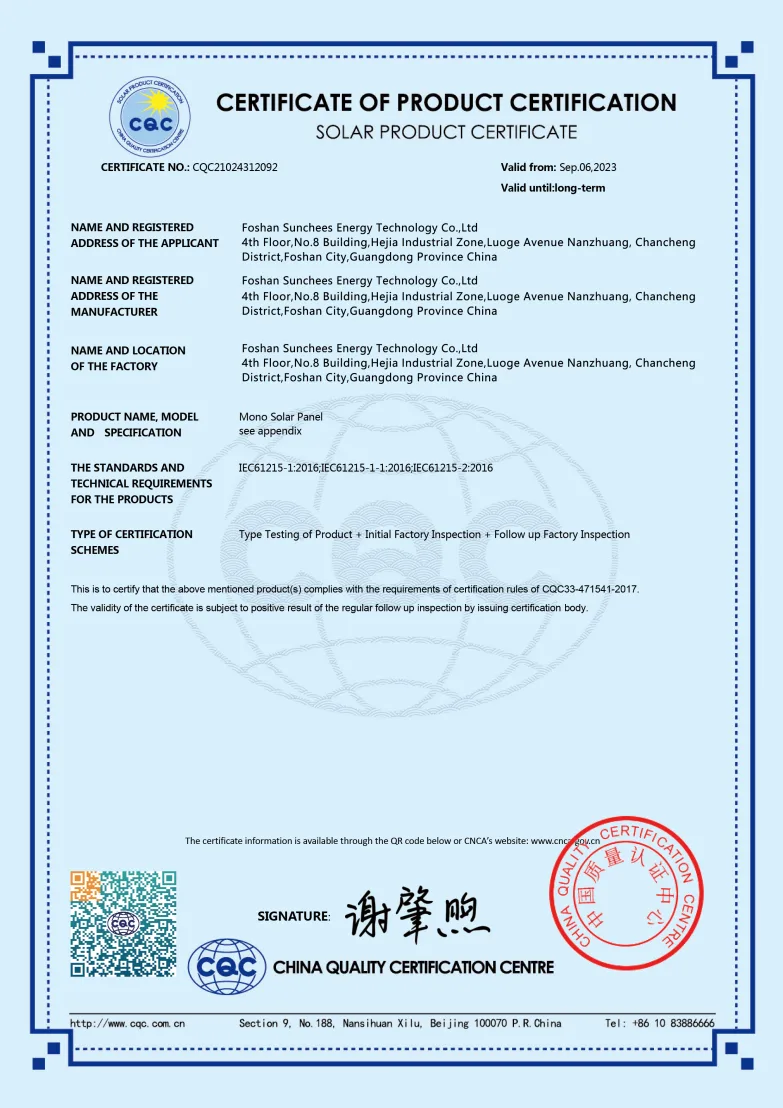
Additional solar system compliance reference for distributor and EPC documentation packs.
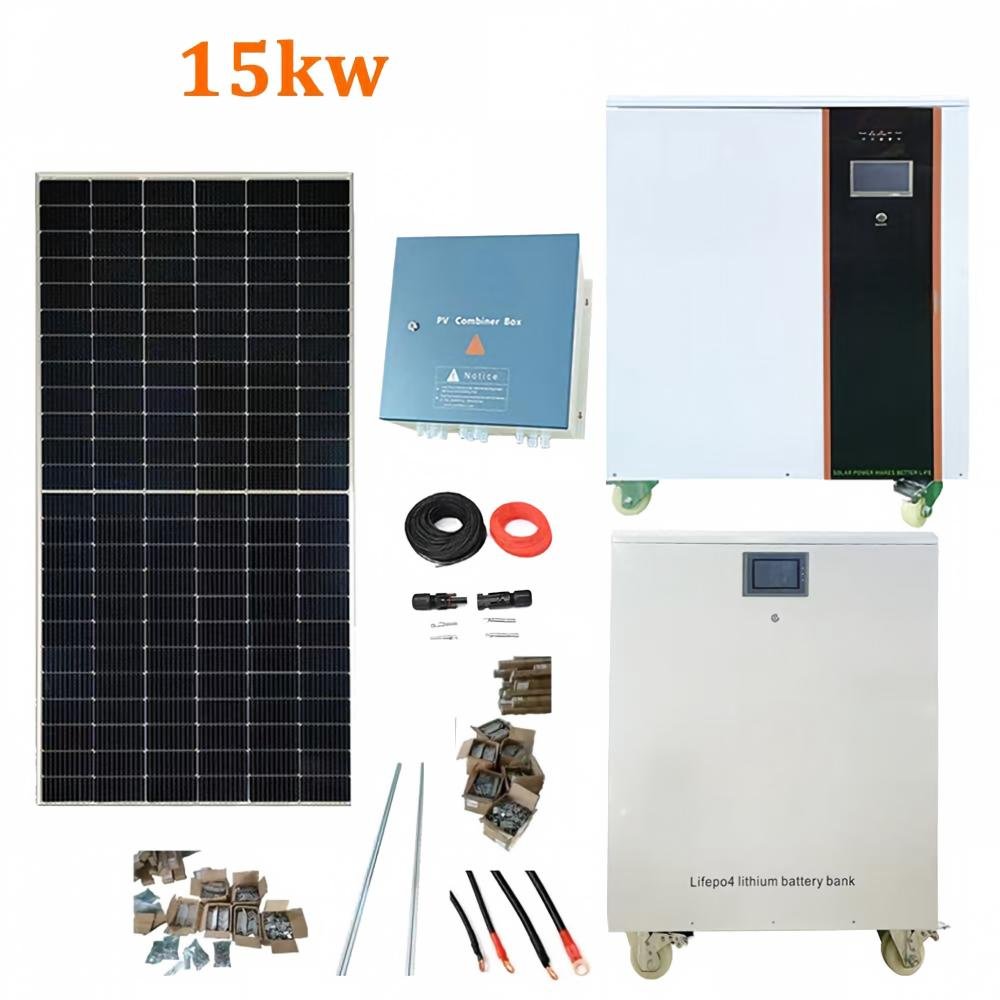
See how a Nigeria solar project grew from two 50kW university clinic systems to a 1MW order and an additional 700kW supply phase.
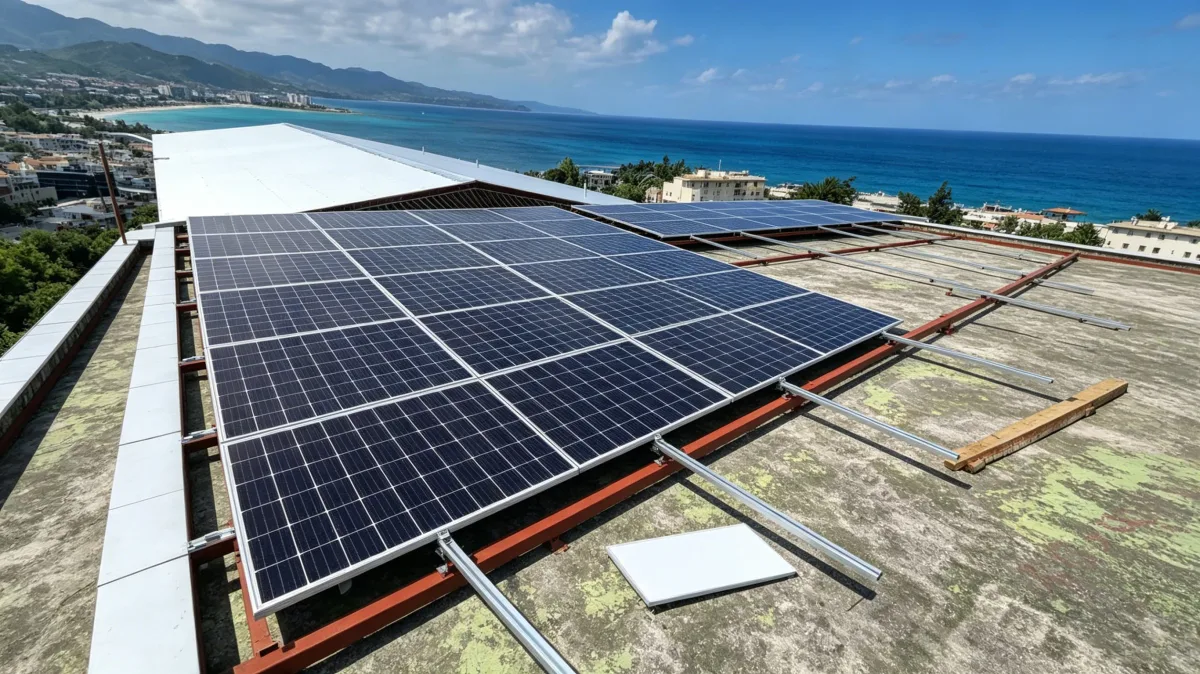
A 50kW split-phase solar and battery system prepared for a hotel in Jamaica facing high generator costs and frequent outages.
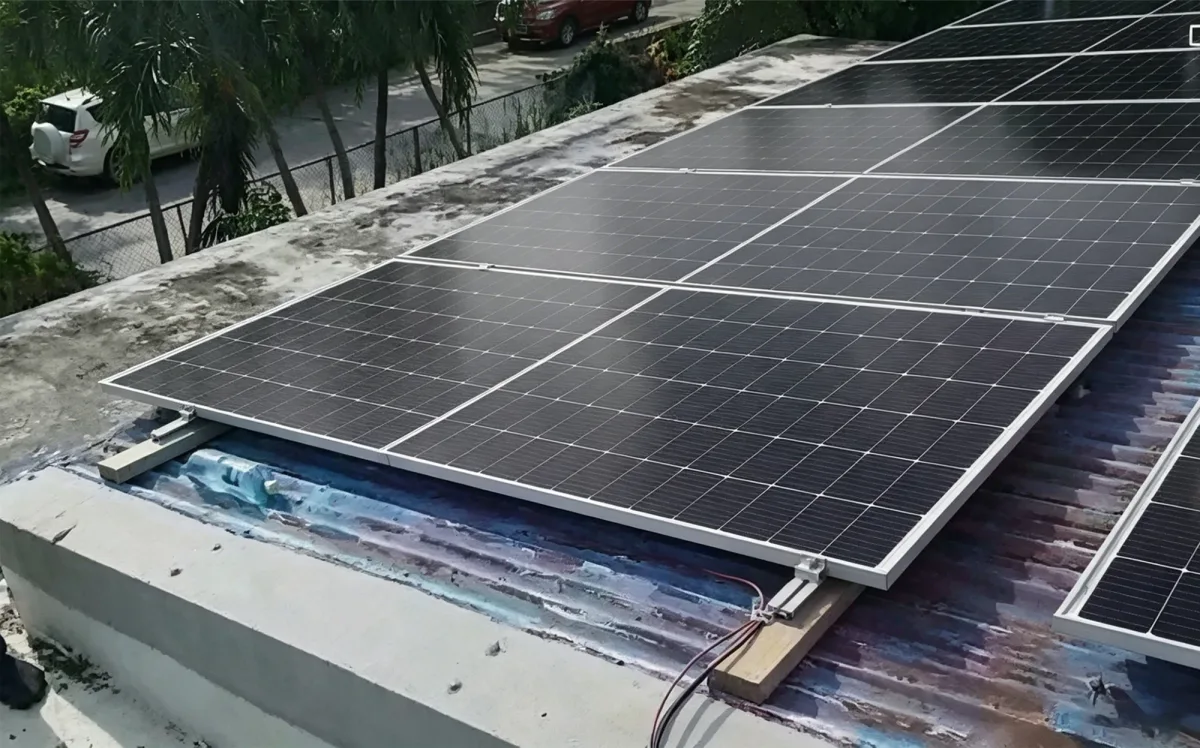
A 12kW split-phase solar and battery configuration prepared as a residential backup reference for Sint Maarten.
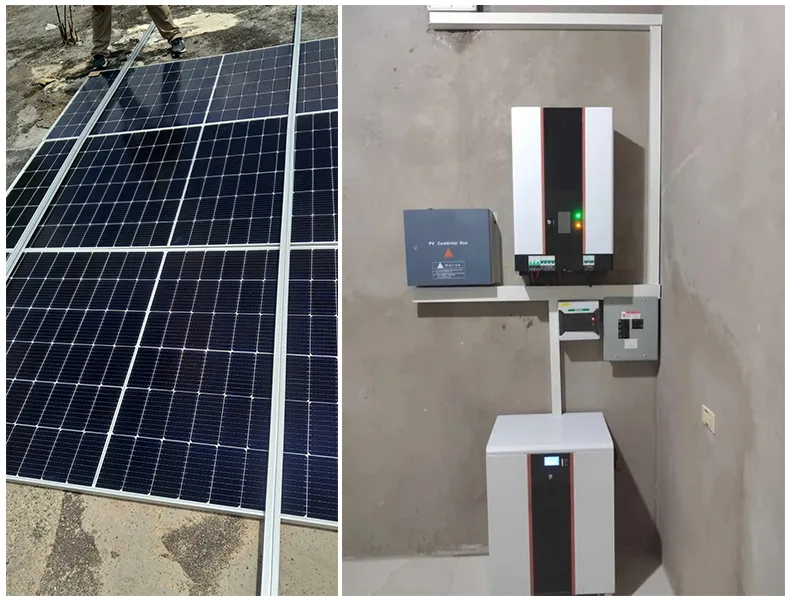
A 10kW 48V split-phase solar and battery system supplied for a home in Jamaica with frequent outages and high grid electricity costs.