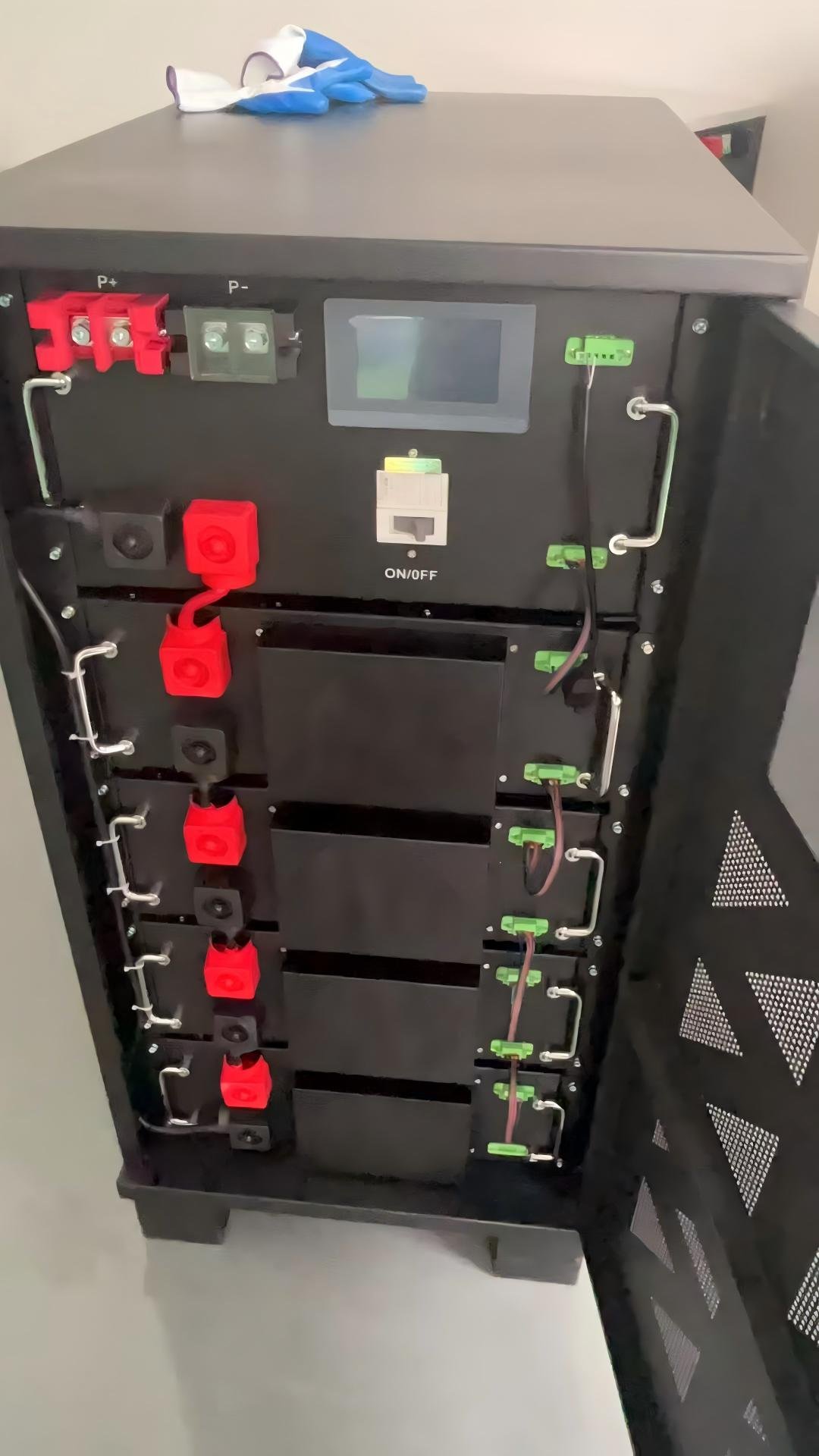
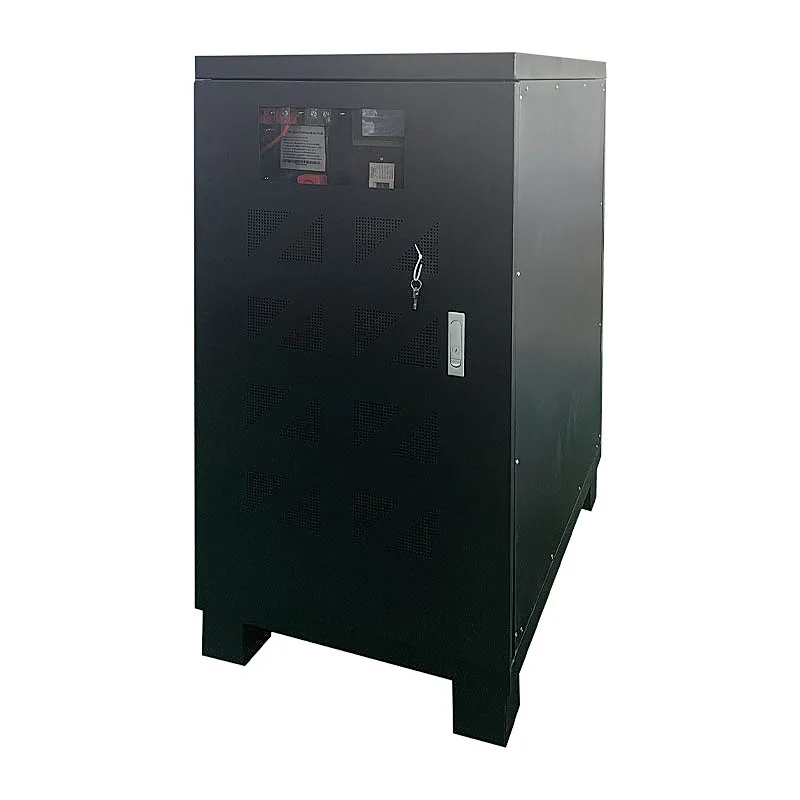
256V 200Ah 52kWh LiFePO4 Battery
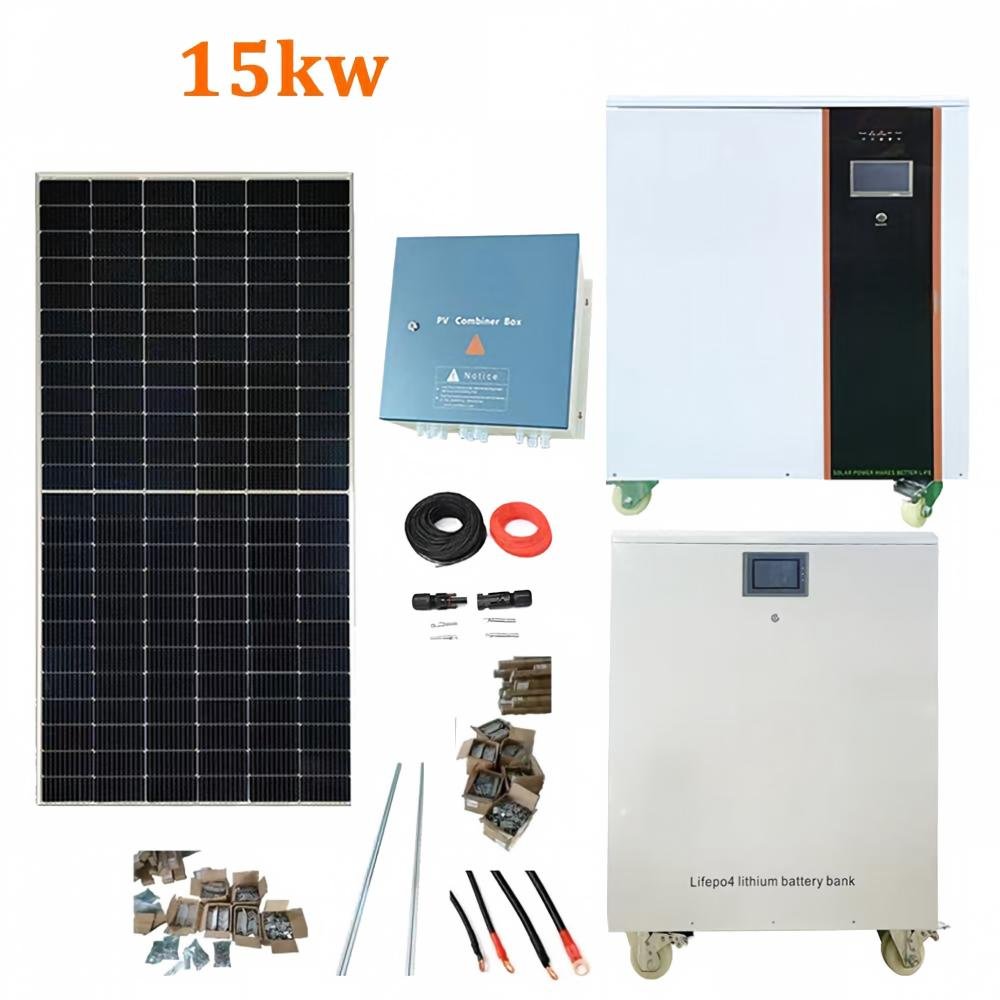
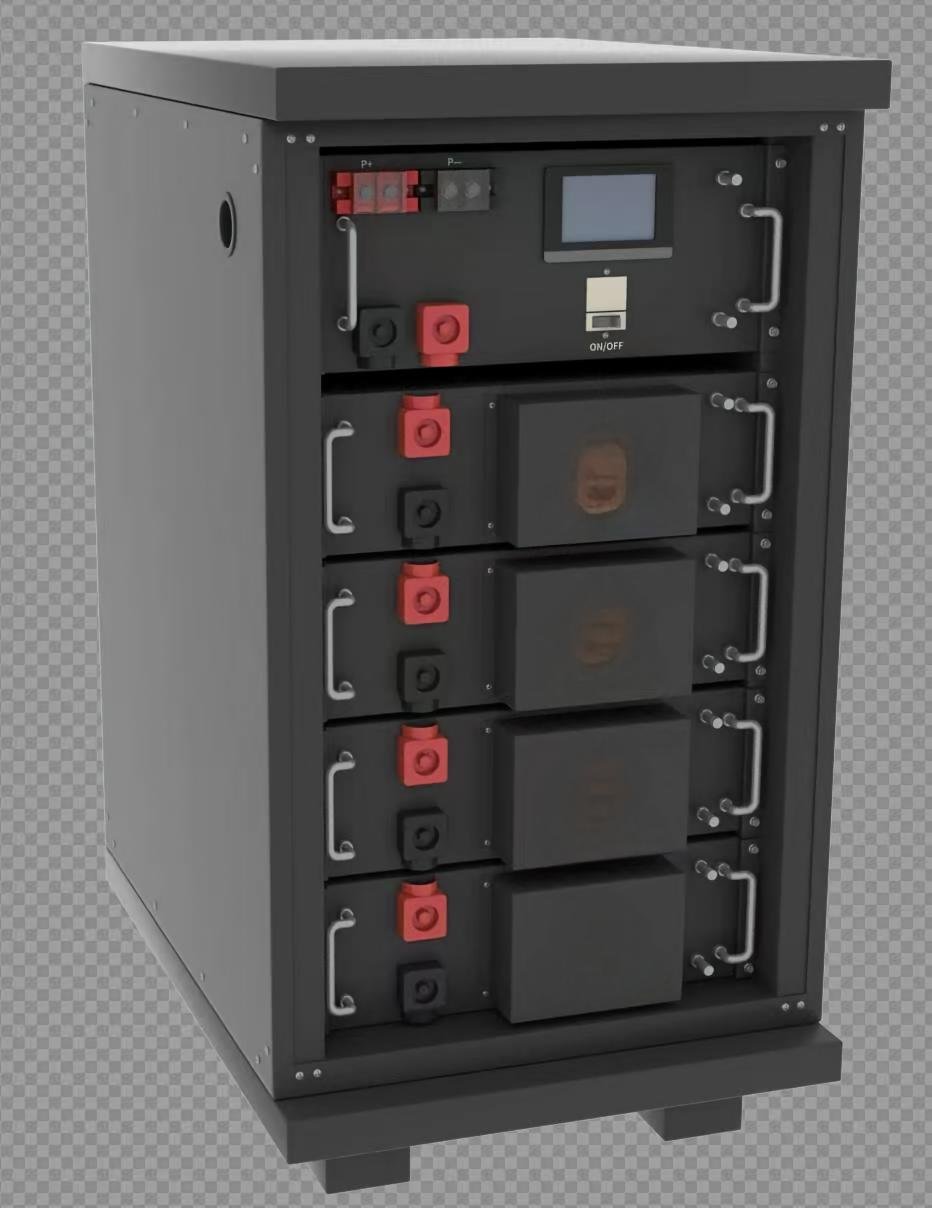
256V 200Ah LiFePO4 battery bank with 52kWh listed energy.
Quote on request
Battery - Battery TypeLiFePO4
Battery - Rated Voltage256 V
Battery - Capacity200 Ah
Battery - Energy52 kWh
256V 200Ah 52kWh LiFePO4 Battery energy storage for guesthouses, offices, farms, clinics and commercial backup systems, providing 52 kWh of battery energy on a 256 V platform.
Application Scenarios
This product is linked to 2 application scenarios so buyers can move from use case to matching products without losing context.
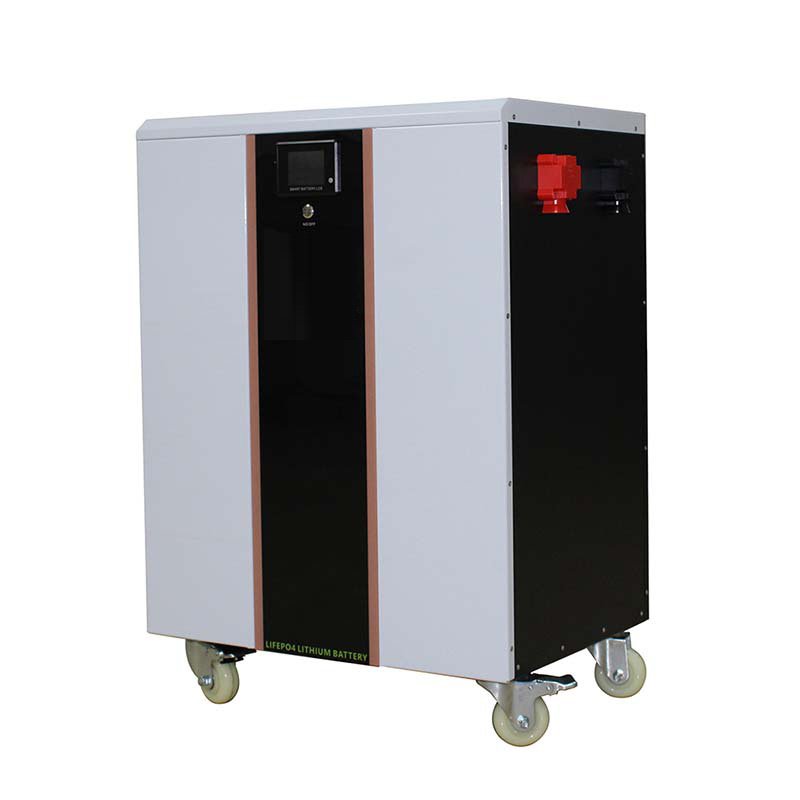
Solar Backup for Shops, Clinics & Small Businesses
Design solar and battery backup around the equipment that protects revenue, stock, customer service and security. We size from your actual business hours, bills, outage pattern and equipment—not from a generic “small business” package.
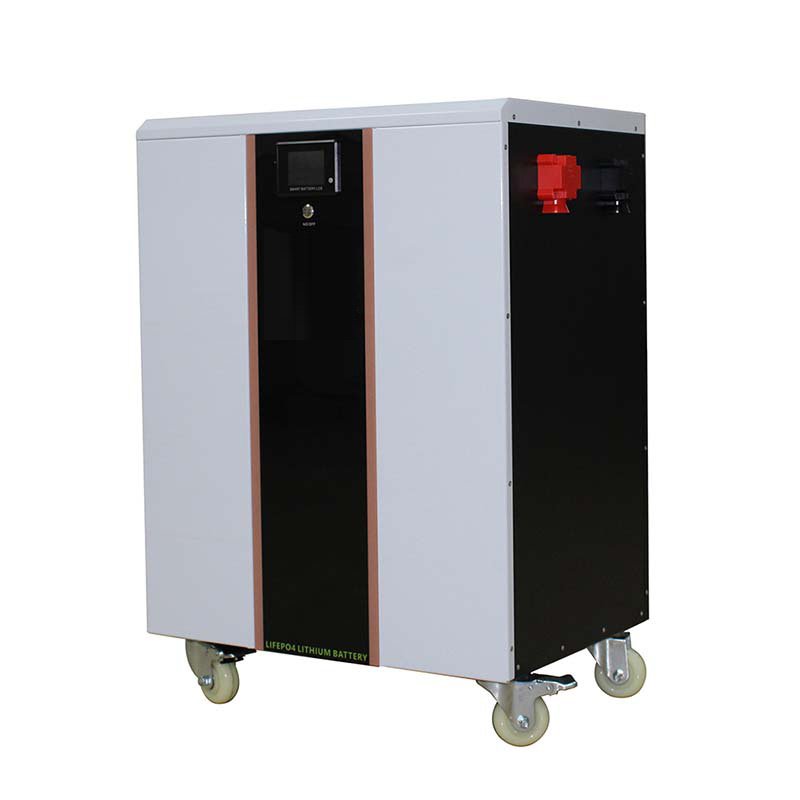
Solar Products for Distributors & Installers
Plan a sellable product mix around the homes, shops, farms, hospitality sites and commercial projects in your market—not a container of disconnected components. We help match inverters, batteries, panels and balance-of-system products for quotation and stocking.
Overview
Store solar energy for night-time use and power outages
This battery stores solar energy for essential equipment when solar production drops or the grid fails. It can be used in a compatible residential, commercial or remote-site solar system.
A practical backup example
Consider a four-bedroom home using about 650kWh per month. During an outage, its priority circuit could include a refrigerator/freezer, eight LED lights, four fans, television and WiFi, a cycling water pump and two efficient air conditioners, averaging about 2.2kW while those loads are in use. For this example, we allow 20% for battery reserve and typical system losses, leaving 80% of the 52 kWh nameplate energy available for comparison: 52 kWh × 80% = 41.6kWh; 41.6kWh ÷ 2.2kW ≈ 18.9 hours. Your actual backup time will depend on the equipment running, battery settings, temperature and installation conditions. Send us your electricity bill or load list and we will calculate the system around your property.
Why we also ask for your load list: Your monthly kWh shows overall energy use, while backup time depends on which appliances you want to keep running together.
Where it fits
- Solar storage for guesthouses, offices, farms, clinics and commercial backup systems
- Backup for lighting, refrigeration, communications, security and other priority loads
- Systems designed to reduce generator runtime and improve energy availability
Key benefits
- 52 kWh of nameplate storage for evening use and outages
- LiFePO4 chemistry for solar energy-storage applications
- ≥6000 cycles published cycle life
- 256 V DC platform for matching with a compatible inverter
Check compatibility before ordering
The inverter must support the battery voltage, charging limits and communication method. If more capacity is required, confirm the manufacturer's permitted parallel or cluster configuration rather than assuming batteries can simply be added together.
Trade Terms
Ordering & Shipping
Final lead time, shipping route, and freight cost are confirmed according to order quantity and destination.
Read Shipping PolicySpecifications
Battery
| Battery Type | LiFePO4 |
| Rated Voltage | 256 V |
| Capacity | 200 Ah |
| Energy | 52 kWh |
| Cycle Life | ≥6000 cycles |
Downloads
Download files will appear here once they are added.
FAQ
How long can the 256V 200Ah 52kWh LiFePO4 Battery provide backup power?
For example, a four-bedroom home using about 650kWh per month, with a refrigerator/freezer, eight LED lights, four fans, television and WiFi, a cycling water pump and two efficient air conditioners, could average about 2.2kW on its priority circuit during an outage. After allowing 20% for reserve and typical system losses, the 52 kWh nameplate battery provides about 41.6kWh for this preliminary comparison—approximately 18.9 hours at the example load. Actual backup time depends on the connected equipment, battery settings and site conditions. Send us your electricity bill or load list for a system recommendation based on your property.
Is this battery compatible with any inverter?
No. The inverter must support the battery's 256 V voltage, charging limits and BMS communication requirements.
Can more batteries be added later?
Expansion may be possible, but the permitted parallel quantity, matching rules, firmware and protection requirements must be confirmed for the exact battery and inverter combination.
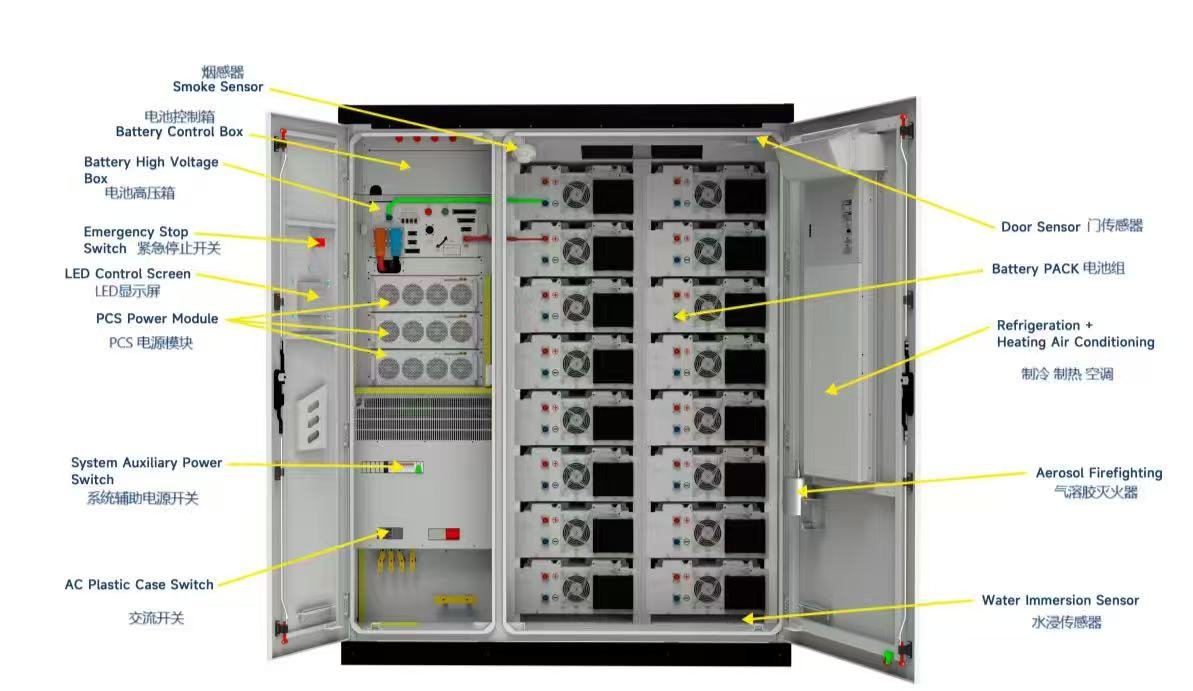
768V 300Ah 241kWh LiFePO4 Battery
768V 300Ah LiFePO4 battery bank with 241kWh listed energy.
Quote on request
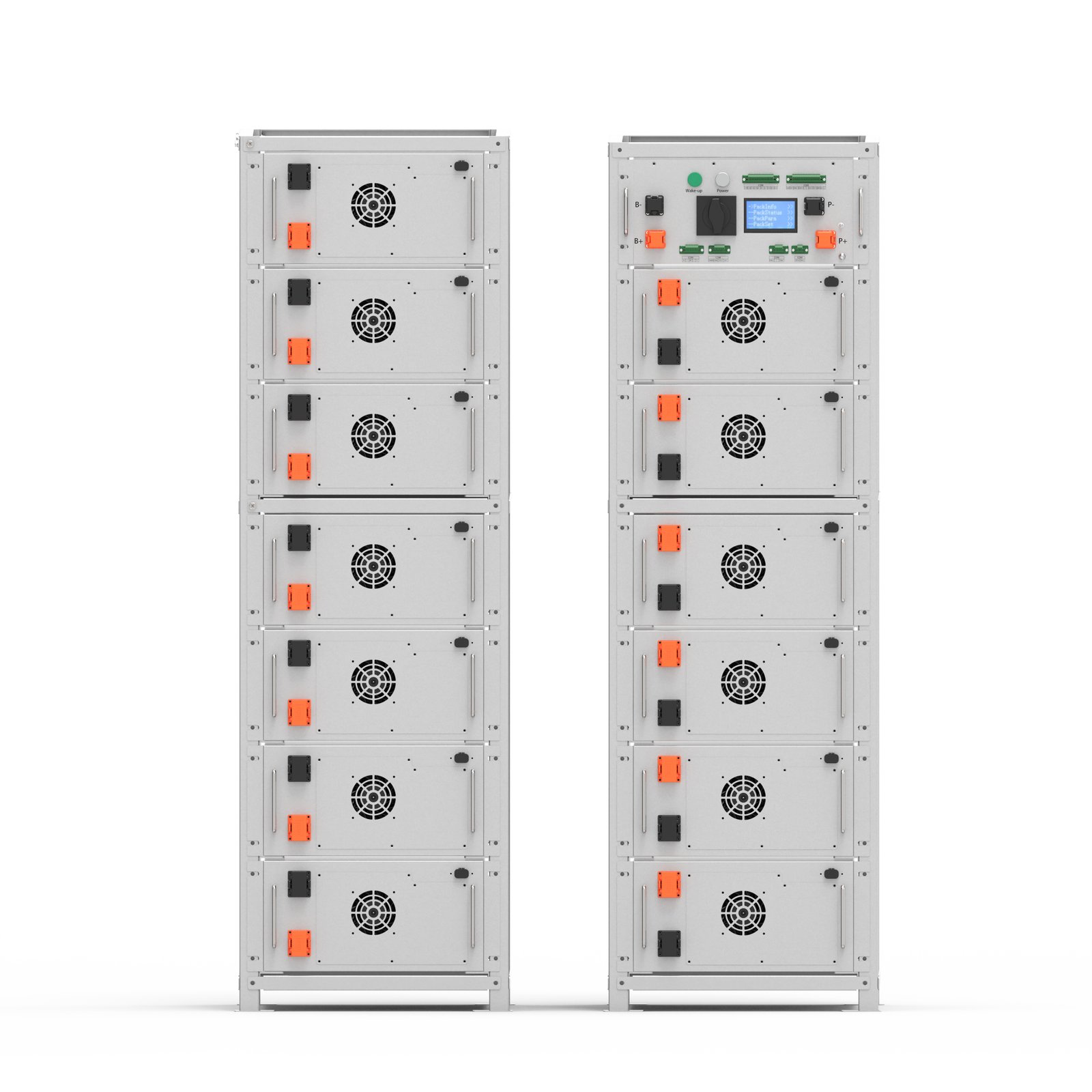
512V 314Ah 160kWh LiFePO4 Battery
512V 314Ah LiFePO4 battery bank with 160kWh listed energy.
Quote on request
102V 350Ah Lithium Battery
High voltage LiFePO4 battery for 15kW off-grid systems
Quote on request
51.2V 350Ah Lithium Battery
LiFePO4 battery module for off-grid solar storage
Quote on request
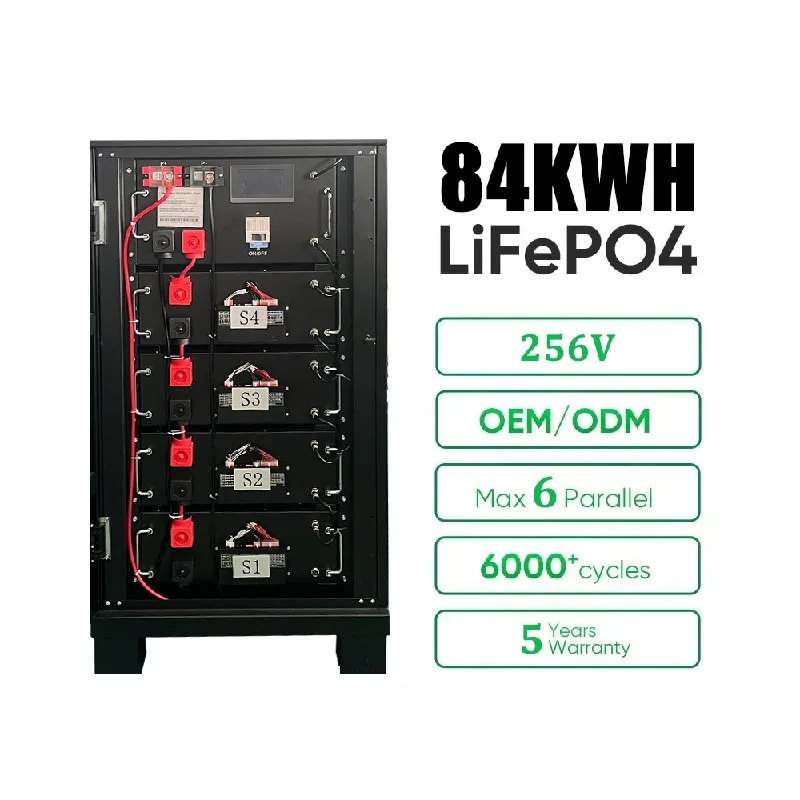
256V 330AH Lithium Battery
High-voltage 256V 330Ah lithium battery bank for commercial solar energy storage.
Quote on request
48V Lithium Battery
48V 250Ah LiFePO4 Battery for Solar Energy System
Quote on request
192V 200AH Lithium Battery
192V 200Ah Lithium Battery LiFePO4 Deep Cycle Solar Energy Storage Battery
Quote on request